01 · Planning with myCHEF
Compare the complete proposal
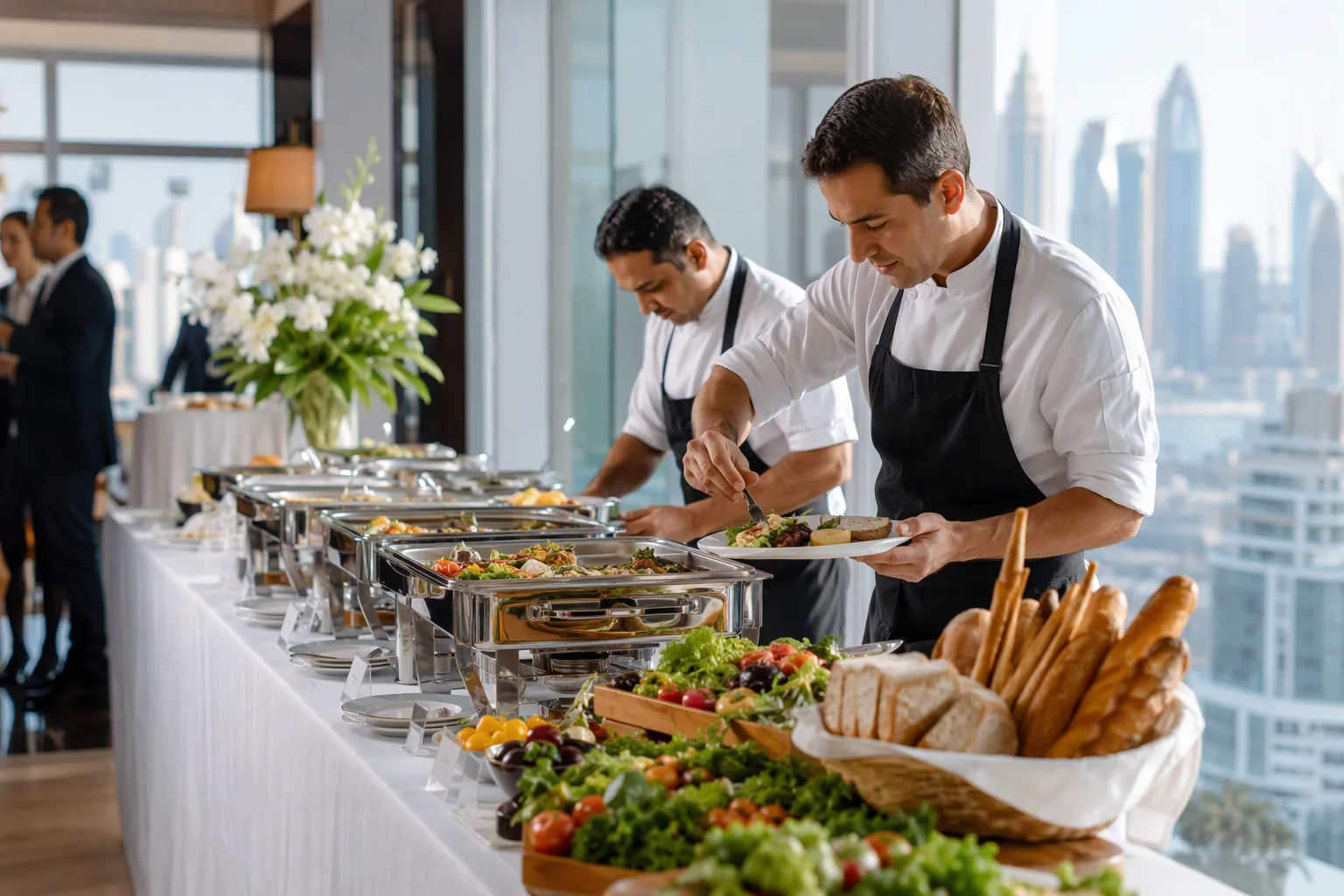
Read the price together with the menu and service scope. Two proposals can have different totals because one includes equipment, staffing or a longer service period that the other does not. Compare them against the same guest count and requirements before deciding which is the better fit.
Check the minimum order, included hours, delivery or transport arrangements and how applicable VAT is shown. If the menu uses a starting price, ask which choices could change it. Premium ingredients, additional stations, extended service and extra hospitality support may need separate pricing.
The written proposal should also explain the payment schedule and the terms for changes or cancellation. Use the terms attached to your booking, as a private occasion and a corporate contract may have different arrangements. A clear comparison gives you confidence in the decision and helps avoid assumptions about what a headline price includes.
02 · Planning with myCHEF
List the equipment before calling the plan complete
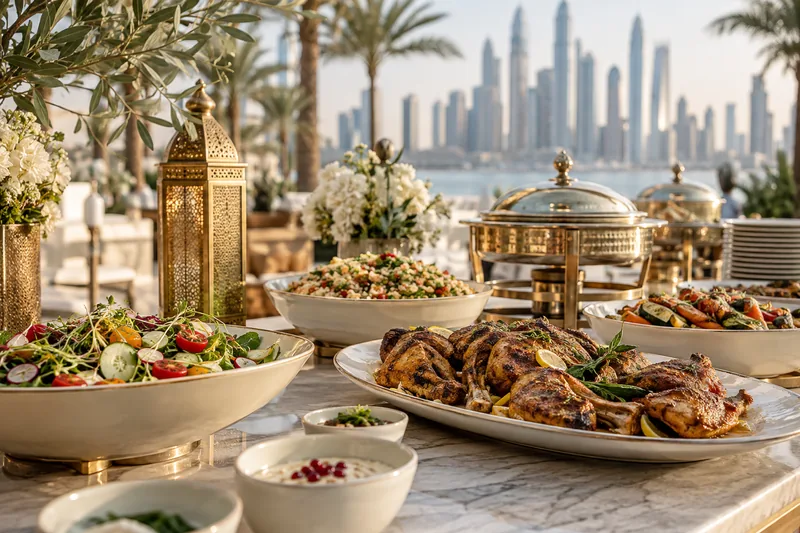
Food, kitchen equipment and table items are separate parts of a catering brief. Confirm what the venue supplies and what the catering team needs to bring. Depending on the format, that may include preparation equipment, holding equipment, serving utensils, crockery, glassware or linen.
A photograph of a styled event does not establish what is included in your own package. If you want the same type of table setup or service display, ask for those items to be identified in the proposal. This is particularly useful when the property has limited kitchen facilities or the event uses more than one dining area.
Also agree how equipment will arrive, be set up and be collected. Access restrictions and collection times can affect the plan. A clear equipment list helps the team prepare properly and gives you a practical way to check that the venue is ready before guests arrive.
03 · Planning with myCHEF
Plan quantities around the format, not just the headcount
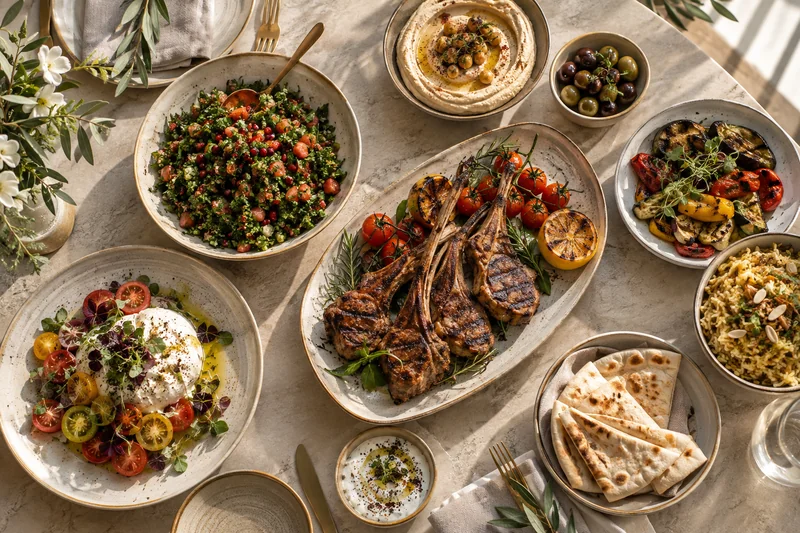
A guest count becomes useful when it is connected to the way people will eat. A short reception with light bites needs a different food plan from an evening where passed dishes are the main meal. Children, late arrivals and guests attending only part of an event may also affect the quantities required.
Tell us whether other food will be available and whether the service follows a meal earlier in the day. The chef can then recommend a sensible balance of dishes and portions. Generosity should mean guests can enjoy the occasion comfortably, rather than simply ordering more of every item.
Confirm the final numbers by the deadline in your proposal. A late increase may affect ingredients, equipment and staff as well as food quantity. Clear updates allow the team to assess the change properly and confirm any effect on the price or service plan.
05 · Planning with myCHEF
A clear brief gives the menu a better starting point
Start with the date, venue and number of guests, then describe how you want the occasion to feel. A working lunch, an evening reception and a family celebration need different menus and service rhythms. Tell us when people will eat, whether they will be seated or standing and which parts of the event you would like myCHEF to handle.
Include essential dietary requirements and the facilities available at the venue. A brief does not need to be long, but it should distinguish what is essential from what would simply be nice to have. If you have a spending range, share it alongside the scope so the proposal can prioritise the right elements.
We can then discuss a suitable format, food selection and staffing plan. Your written proposal brings those decisions together, giving you a clear reference for what is included before you confirm the booking.
Your occasion, thoughtfully planned
Tell us what you have in mind.
Share your date, venue, guest count and menu preferences. We’ll discuss the service your occasion needs and confirm the details in a written proposal.
Start your catering enquiry