Planning Children’s Party Food: Ages, Portions and Timing
Children’s party food should fit their ages, activity schedule and serving arrangements. Separate children’s portions from adult food and collect dietary information before the menu is agreed.
Children’s party food should fit their ages, activity schedule and serving arrangements. Separate children’s portions from adult food and collect dietary information before the menu is agreed.
For the service options, explore event catering in Dubai. Use this guide to prepare the details for your enquiry.
About this guide
This guide is published by myCHEF, a provider of private chef and catering services. It compares service formats and practical selection criteria. Individual providers should be assessed through their current proposals, relevant documentation and suitability for your occasion.
Plan separate food needs
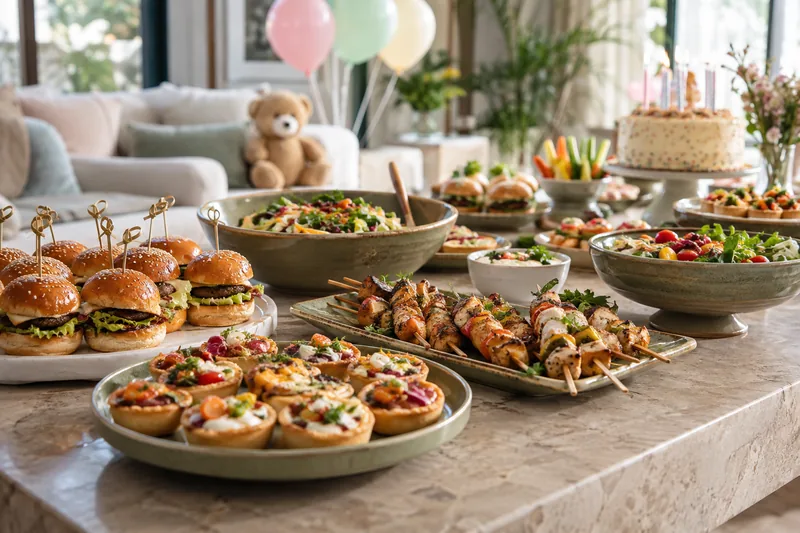
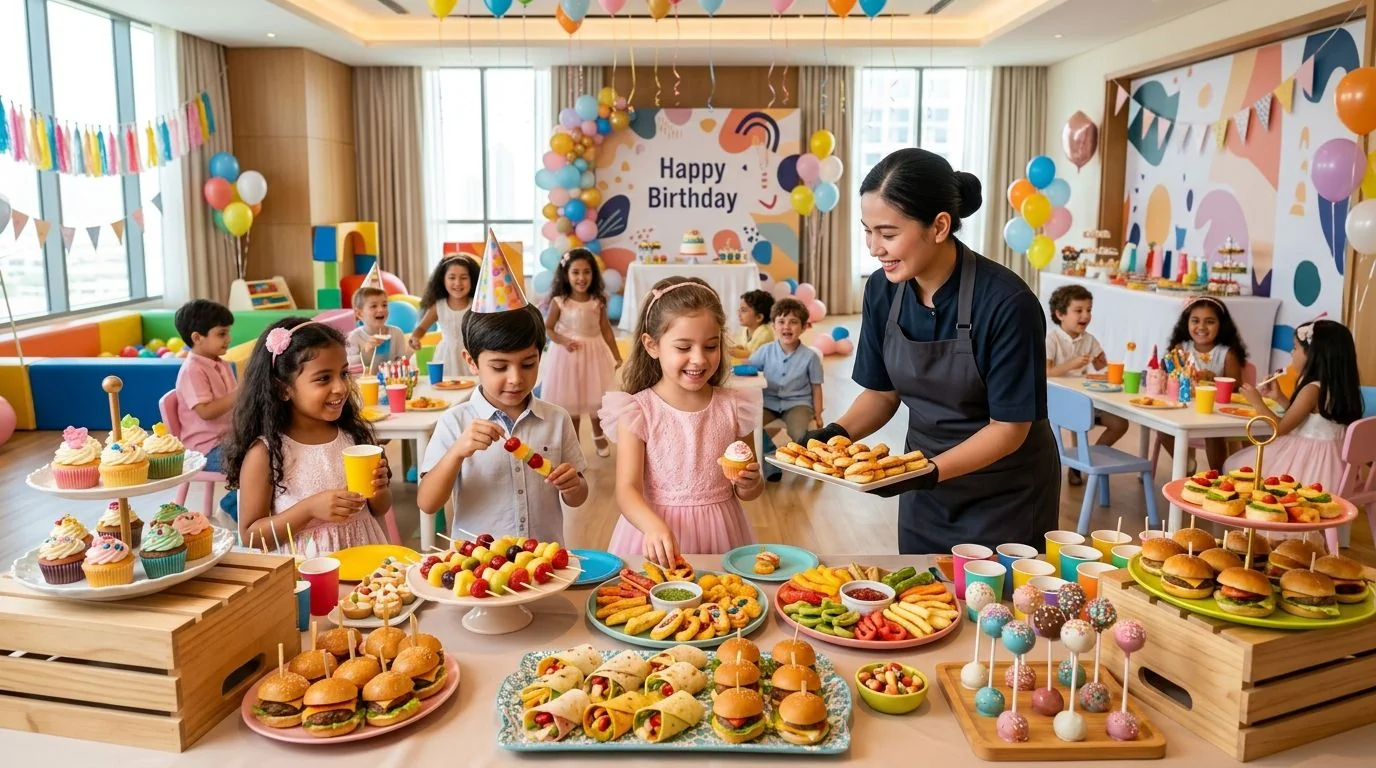
Tell the caterer how many children and adults will attend and the children’s age range. Easy-to-serve favourites, fruit and a few options for adults may work better than one menu for every guest. Confirm portion sizes and when the main food will be available.
Plan smaller portions and clearly identified dietary alternatives.
Coordinate with the party schedule
Agree the timing of food, activities and the cake. Keep service areas separate from active play, and confirm who manages the table and clearing. Any live cooking equipment needs an appropriate position and supervision.
Collect dietary information early
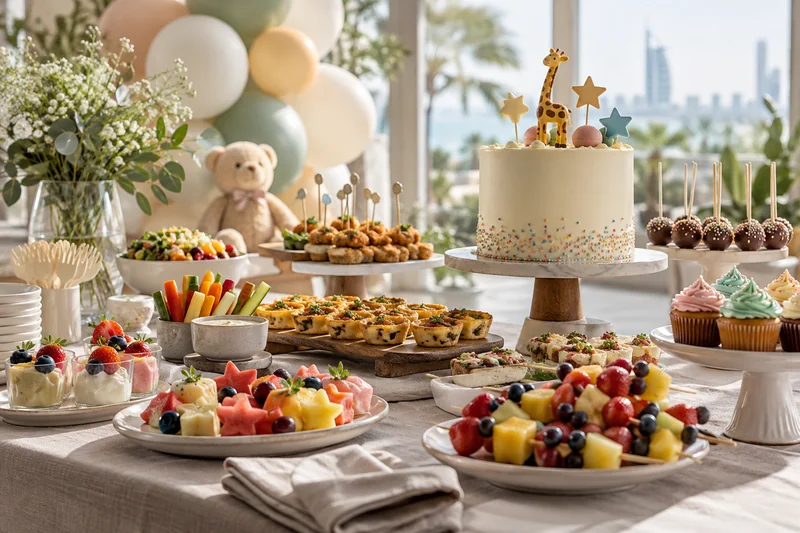
Ask parents for relevant allergies and requirements before confirming the menu. The culinary provider should explain ingredient checks, labelling and any cross-contact limitations. Confirm the cake, desserts and purchased components as carefully as the main dishes.
Keep the children’s menu separate from food intended for adults.
Questions to ask before confirming
Request a written menu and scope, confirm the guest count and service hours, and check which staff, equipment and extras are included. Share dietary requirements before approving the menu. Review the payment schedule, change deadlines and cancellation terms, and identify the contact who will coordinate the booking.
Use your completed brief
If children’s birthday catering suits your plans, explore the service details and published options below. Share your date, Dubai location, guest count and preferences so the team can assess availability and prepare a tailored proposal. The written booking confirms the final menu, responsibilities and price.
Tell us your date or preferred schedule, the number of people and your Dubai area. We will confirm what is possible before preparing a written proposal.
A comparison becomes more useful when each proposal answers the same brief. Give providers a consistent guest count, venue, service time and menu direction. Ask them to identify preparation, delivery, equipment, staffing and clear-down separately enough for you to understand the complete scope.
Look for evidence relevant to your occasion. A portfolio may show a style you like, but ask how that format would work at your venue and for your group. If a particular credential or operational capability is essential, request the relevant information rather than assuming it from general marketing language.
There is no universal best option for every event. Compare the clarity of the proposal, the suitability of the menu and the practical plan alongside the price. A provider who understands the brief and explains responsibilities clearly gives you a stronger basis for deciding how your event will be catered.
02 · Planning with myCHEF
Plan quantities around the format, not just the headcount
A guest count becomes useful when it is connected to the way people will eat. A short reception with light bites needs a different food plan from an evening where passed dishes are the main meal. Children, late arrivals and guests attending only part of an event may also affect the quantities required.
Tell us whether other food will be available and whether the service follows a meal earlier in the day. The chef can then recommend a sensible balance of dishes and portions. Generosity should mean guests can enjoy the occasion comfortably, rather than simply ordering more of every item.
Confirm the final numbers by the deadline in your proposal. A late increase may affect ingredients, equipment and staff as well as food quantity. Clear updates allow the team to assess the change properly and confirm any effect on the price or service plan.
03 · Planning with myCHEF
Build the service schedule around your guests
Work backwards from the time guests should begin eating. The team may need access earlier for unloading, setup and preparation, particularly when equipment or several service areas are involved. Share the programme before the menu is finalised so the catering plan can support it.
Identify moments when service should pause, such as a speech, presentation or ceremony. For an office event, confirm the length of each break and whether everyone will arrive at once. For a private celebration, allow for the welcome period and any cake or toast that needs its own place in the sequence.
Agree a contact for changes on the day. Small timing adjustments may be manageable, while a substantial extension can affect staffing and the booked hours. Clear communication helps the team respond sensibly and keeps the food connected to the occasion rather than running on a separate timetable.
04 · Planning with myCHEF
Give the menu a clear direction
Begin with a few dishes or flavours that your guests will enjoy, then build a balanced selection around them. A strong menu includes variety in texture, colour and richness without trying to cover every possible preference with a separate dish. The most useful question is how the food will work as a complete meal or reception.
Consider the time of day and the length of service. A short welcome reception needs a different amount and style of food from an evening where canapés replace dinner. Similarly, a working lunch should be easy to serve and enjoy within the available break.
Menu examples are a starting point for discussion. Ingredients, dietary variations and the practical requirements of your venue need to be reviewed before the final selection is confirmed. That gives the team room to recommend food that suits the occasion and can be served well.
Choose a starting point from our menu collection before agreeing the complete selection.
05 · Planning with myCHEF
Choose the support that makes hosting easier
Decide who will do the work after the food arrives. If your own team will lay out platters, replenish drinks and clear the space, a delivery arrangement may be suitable. If you want to stay with your guests, discuss setup, service staff, equipment and clear-down as part of the proposal.
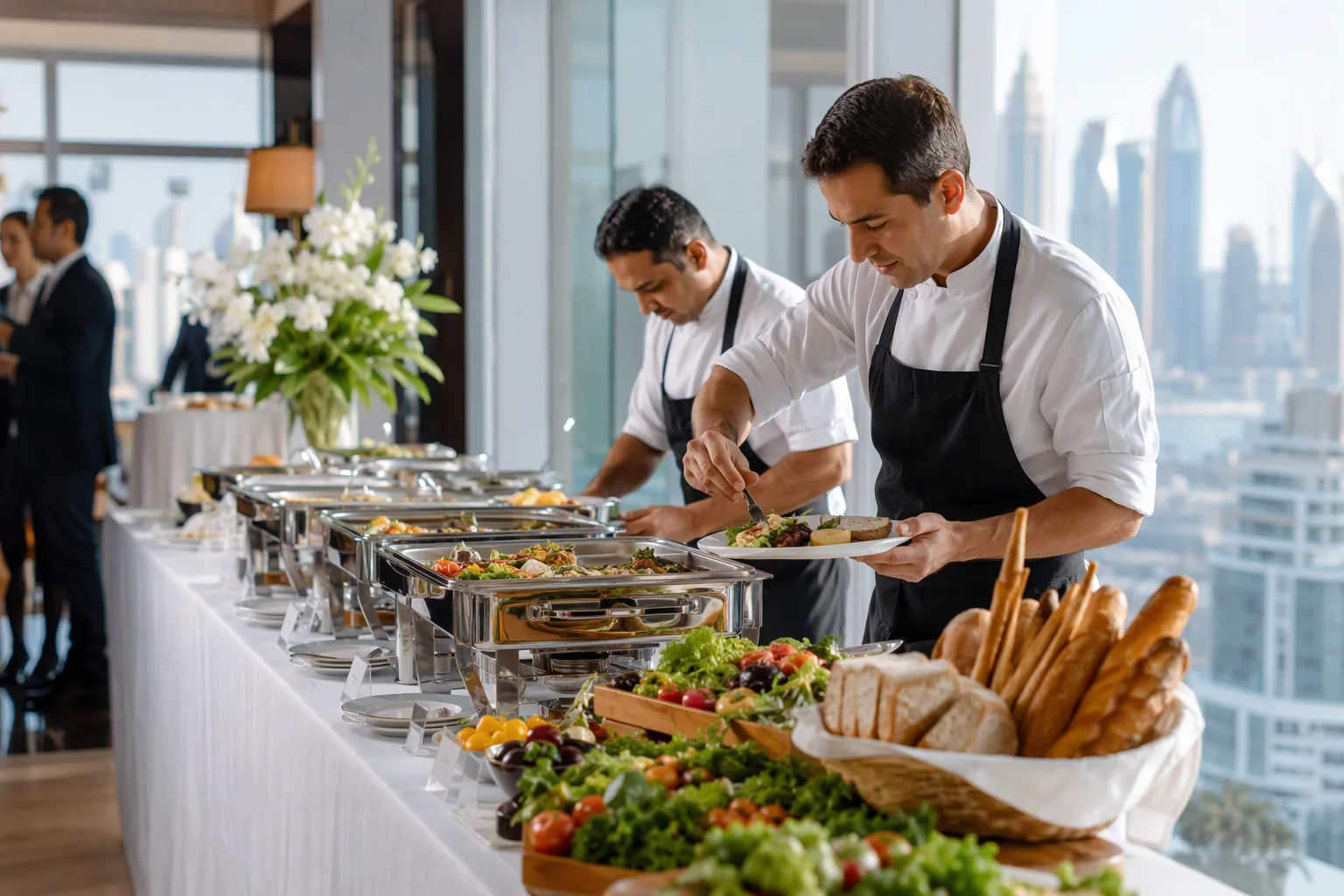
Different formats create different demands. A buffet needs attention to presentation and replenishment; a plated meal requires coordination between the kitchen and table; passed food needs staff who can circulate comfortably through the room. The number of guests matters, but so do the layout and pace of service.
Ask for included roles and hours to be clearly identified. Additional items such as table linen, crockery, glassware, bar support or styling should be confirmed explicitly. A well-defined scope lets you understand the service you are buying and helps the team prepare for the work you expect.
06 · Planning with myCHEF
Compare the complete proposal
Read the price together with the menu and service scope. Two proposals can have different totals because one includes equipment, staffing or a longer service period that the other does not. Compare them against the same guest count and requirements before deciding which is the better fit.
Check the minimum order, included hours, delivery or transport arrangements and how applicable VAT is shown. If the menu uses a starting price, ask which choices could change it. Premium ingredients, additional stations, extended service and extra hospitality support may need separate pricing.
The written proposal should also explain the payment schedule and the terms for changes or cancellation. Use the terms attached to your booking, as a private occasion and a corporate contract may have different arrangements. A clear comparison gives you confidence in the decision and helps avoid assumptions about what a headline price includes.
07 · Planning with myCHEF
A clear brief gives the menu a better starting point
Start with the date, venue and number of guests, then describe how you want the occasion to feel. A working lunch, an evening reception and a family celebration need different menus and service rhythms. Tell us when people will eat, whether they will be seated or standing and which parts of the event you would like myCHEF to handle.
Include essential dietary requirements and the facilities available at the venue. A brief does not need to be long, but it should distinguish what is essential from what would simply be nice to have. If you have a spending range, share it alongside the scope so the proposal can prioritise the right elements.
We can then discuss a suitable format, food selection and staffing plan. Your written proposal brings those decisions together, giving you a clear reference for what is included before you confirm the booking.
When the essentials are ready, send your event brief with the date, location, guest count and menu preferences.
Your occasion, thoughtfully planned
Tell us what you have in mind.
Share your date, venue, guest count and menu preferences. We’ll discuss the service your occasion needs and confirm the details in a written proposal.