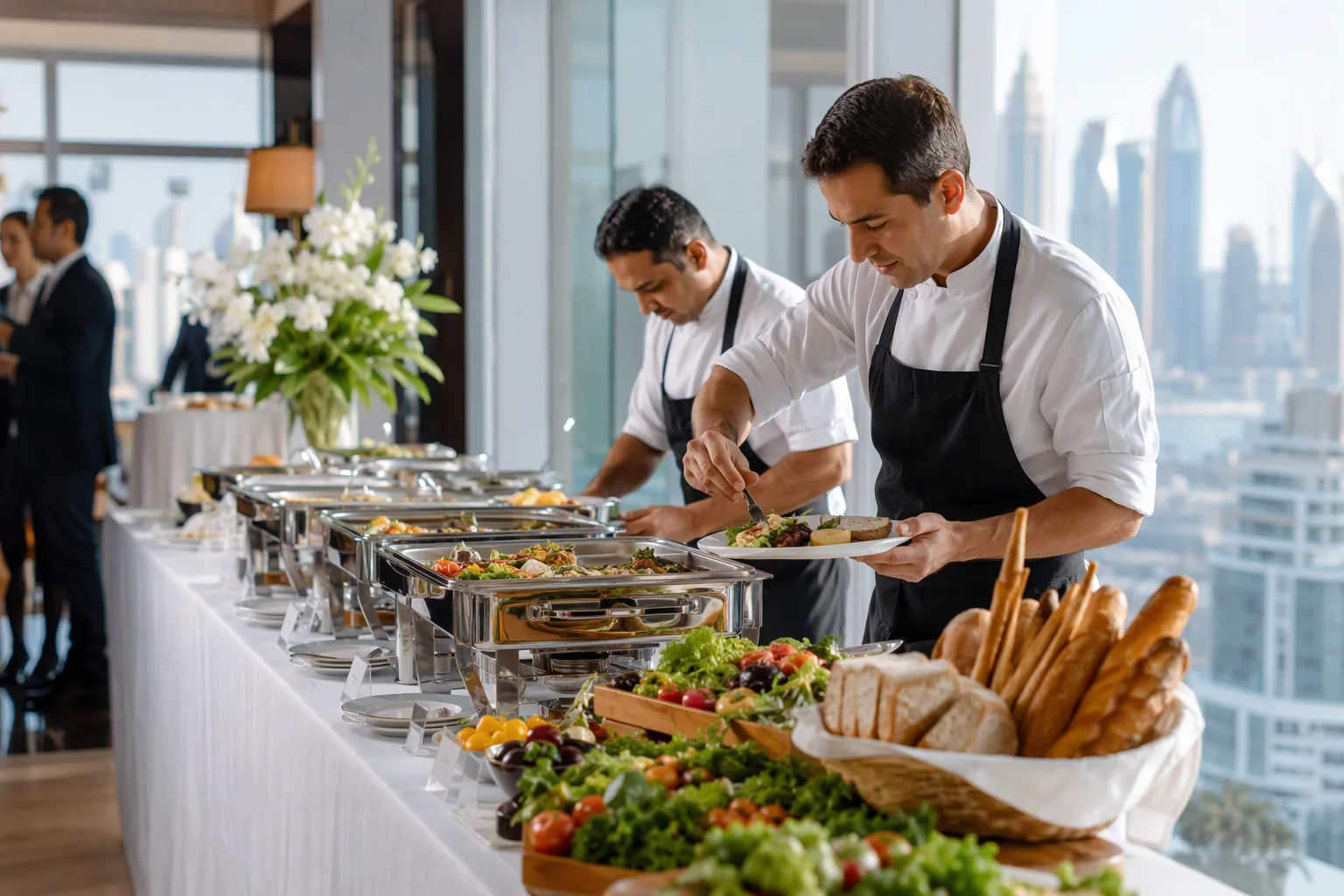
Business meeting catering timing decides whether food helps a meeting or interrupts it. A party is built around the meal; a meeting is built around the agenda, so the food has to fit the agenda rather than the other way round. The same logic used to plan corporate catering applies here: pick the serve window from the meeting type, then confirm arrival, setup and clearance around it. This guide gives serve windows by meeting type, a worked half-day example and the details worth confirming before the day.
Business meeting catering timing: serve windows that work
| Meeting type | Food format | Practical serve window |
|---|---|---|
| Early morning working session | Coffee plus finger breakfast | Set before the start; refresh at the first break |
| Board or client meeting | Plated or boxed working lunch | Serve at the agenda's lunch block, not when trays arrive |
| All-day workshop | Morning break, lunch, afternoon break | Three fixed windows agreed against the agenda |
| Evening networking | Canapés and drinks stations | Flow service across 60 to 90 minutes, no single sit-down |
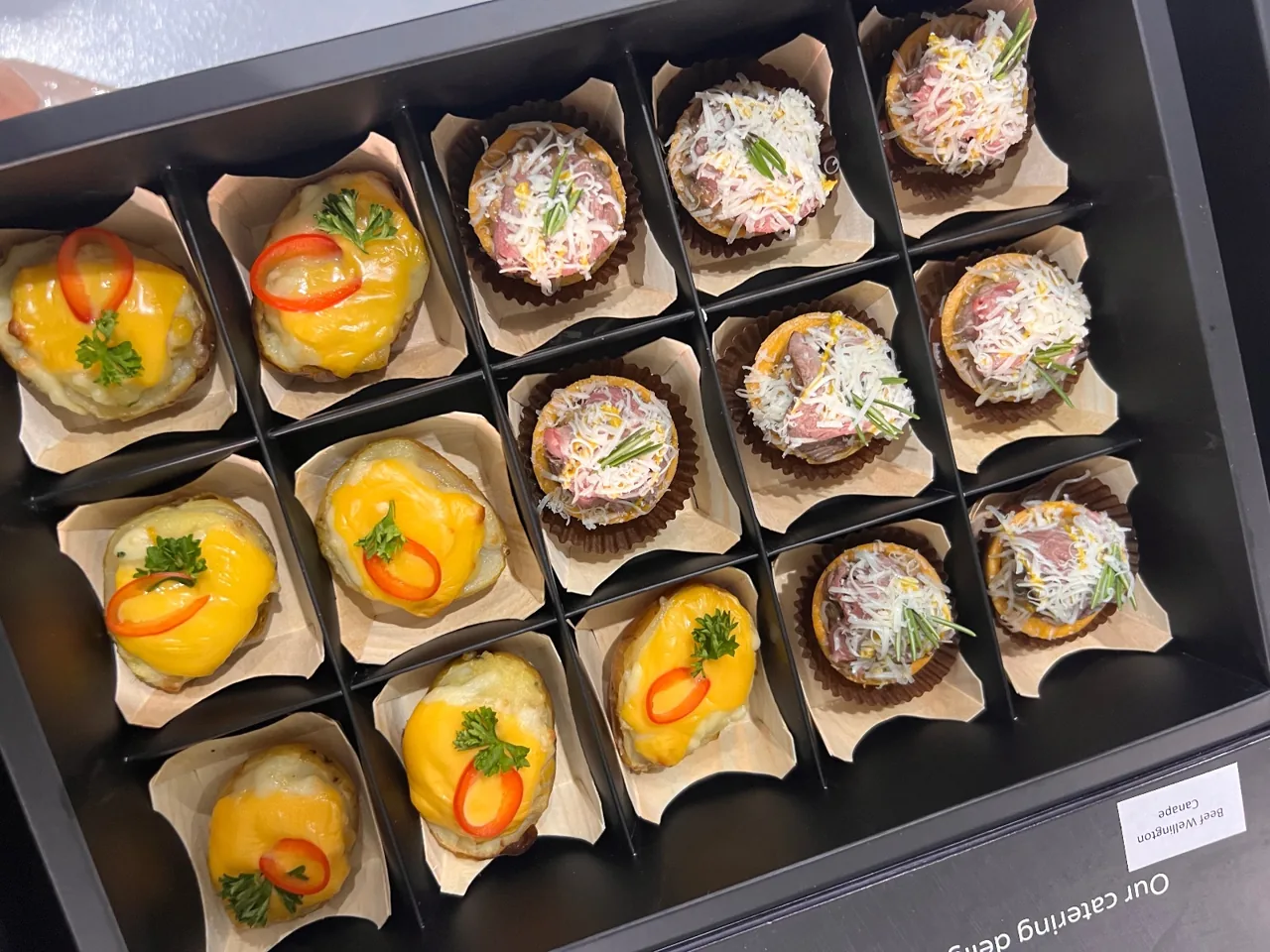
A worked example: a half-day agenda
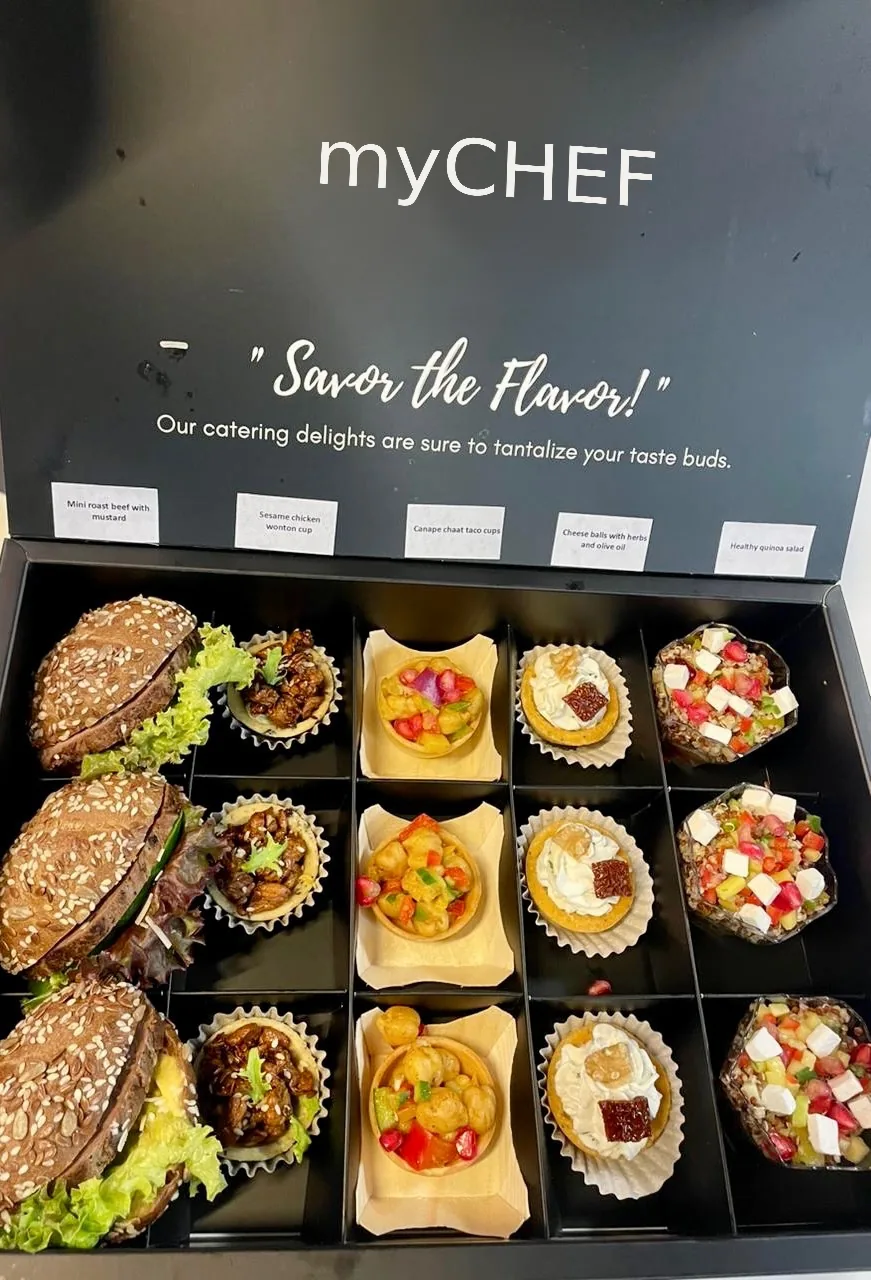
Agenda: 09:00 start, 10:30 break, 12:30 working lunch, 14:00 close. Setup happens at 08:15 so coffee is poured before the first session. The 10:30 break is a refresh, not a new spread — fruit and refilled coffee, with trays swapped in minutes. At 12:30 the working lunch is already on the side tables, boxed and labelled for dietary notes, so the room never empties. Clearance is booked for 14:15, after close, not during the final discussion.
Why timing beats quantity
Meetings waste food differently from parties. Because guests are seated and occupied, a late tray goes untouched and an early tray goes cold — the same order succeeds or fails on the window, not the volume. When the agenda is firm, slightly less food delivered exactly on time beats more food delivered loosely.
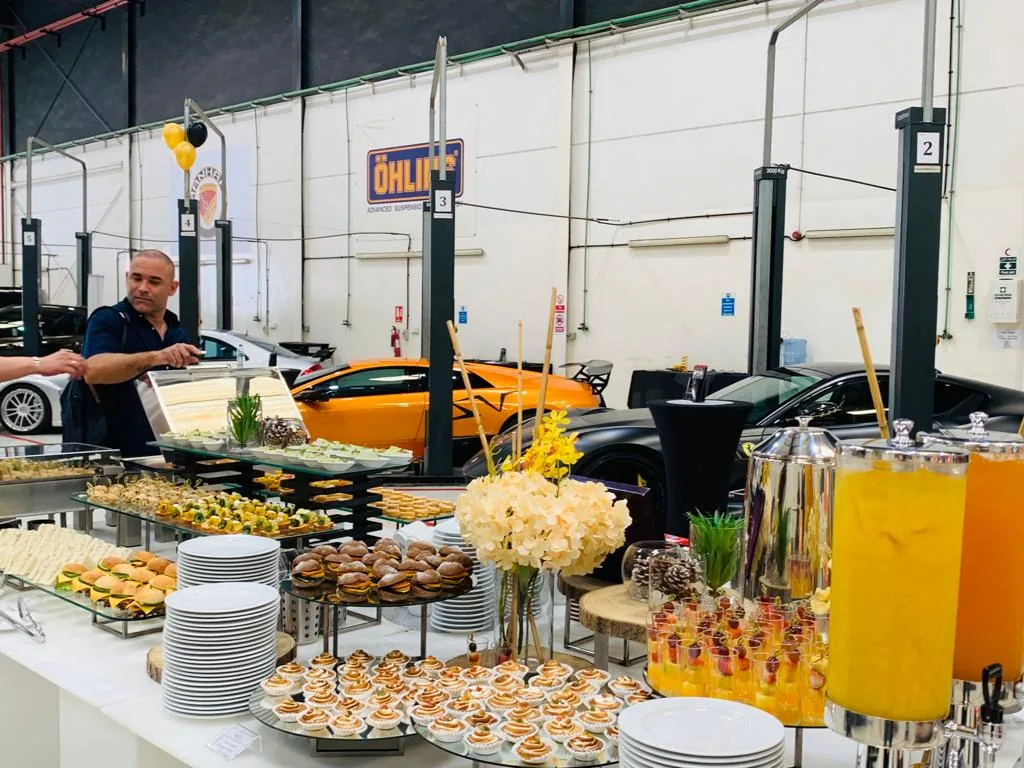
Details to confirm before the day
- Building access, loading bay hours and service-lift rules — these decide arrival time more than the agenda does.
- Where trays land: a side table inside the room keeps the meeting running; a corridor trolley does not.
- Dietary labels on every item, not a separate verbal list.
- Clearance time that respects the meeting's real finish, with a fallback if it overruns.
Next steps
Send the agenda, guest count and building access notes with your enquiry via the corporate catering page, and agree the serve windows in writing against the agenda. Related guides: full service versus drop-off catering and planning an office breakfast.