01 · Planning with myCHEF
Plan around the occasion and the date
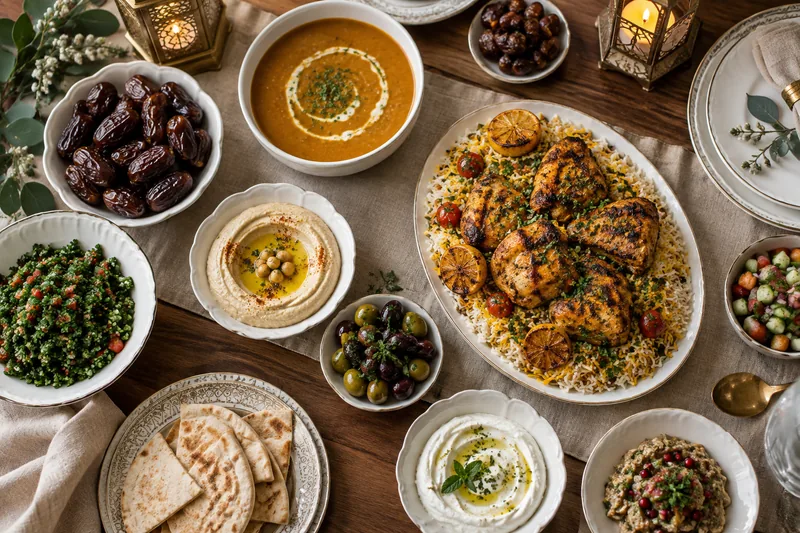
Seasonal celebrations often bring particular expectations about food and timing. Tell us which dishes or traditions matter most to your guests and which elements you are happy to adapt. That helps the menu feel connected to the occasion without assuming every household celebrates in the same way.
Share your preferred date and service time early, especially when the request falls on a widely celebrated day. Availability, ingredients and staffing need to be confirmed for the actual booking. A published menu is a useful starting point, but it should not be treated as a reservation or a guarantee of the same arrangement on every date.
Consider the full schedule, including arrivals, any meaningful moment before eating and the point when guests will leave. The right catering plan combines familiar favourites with a service rhythm that gives people time to enjoy being together.
02 · Planning with myCHEF
Review ingredient requirements across the whole menu
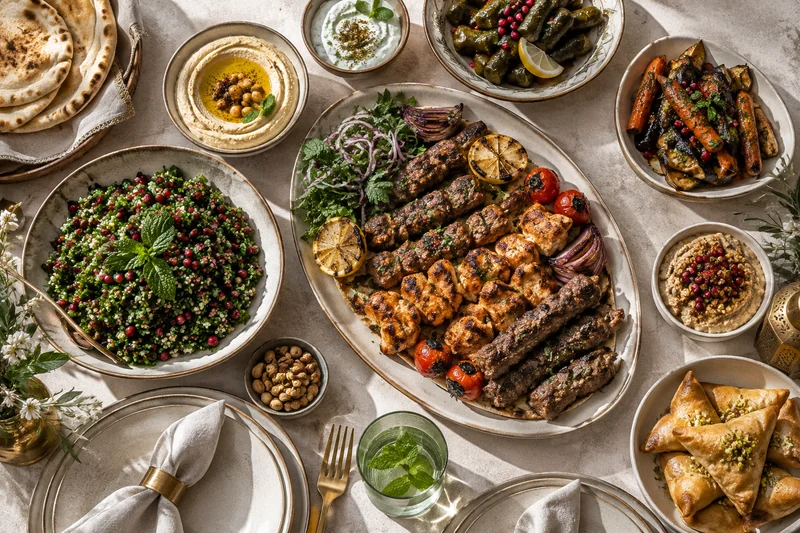
Include halal requirements in the initial brief and explain any specific expectations about sourcing or preparation. Ask about the proposed ingredients and raise questions about sauces, stocks, desserts or other components that may not be obvious from the menu title.
If your household or organisation has particular expectations about alcohol in cooking, documentation or shared equipment, discuss them explicitly. A general description of a menu cannot replace a specific assessment of those requirements. The culinary team needs to understand what is essential before the selection is confirmed.
This detail does not need to make the menu feel restrictive. Sharing dishes, plated courses and reception bites can all be considered within a clear brief. Review the final choices together so you understand what will be served and how the agreed requirements are reflected throughout the meal.
03 · Planning with myCHEF
Plan quantities around the format, not just the headcount
A guest count becomes useful when it is connected to the way people will eat. A short reception with light bites needs a different food plan from an evening where passed dishes are the main meal. Children, late arrivals and guests attending only part of an event may also affect the quantities required.
Tell us whether other food will be available and whether the service follows a meal earlier in the day. The chef can then recommend a sensible balance of dishes and portions. Generosity should mean guests can enjoy the occasion comfortably, rather than simply ordering more of every item.
Confirm the final numbers by the deadline in your proposal. A late increase may affect ingredients, equipment and staff as well as food quantity. Clear updates allow the team to assess the change properly and confirm any effect on the price or service plan.
04 · Planning with myCHEF
Keep the buffet easy to approach and enjoy
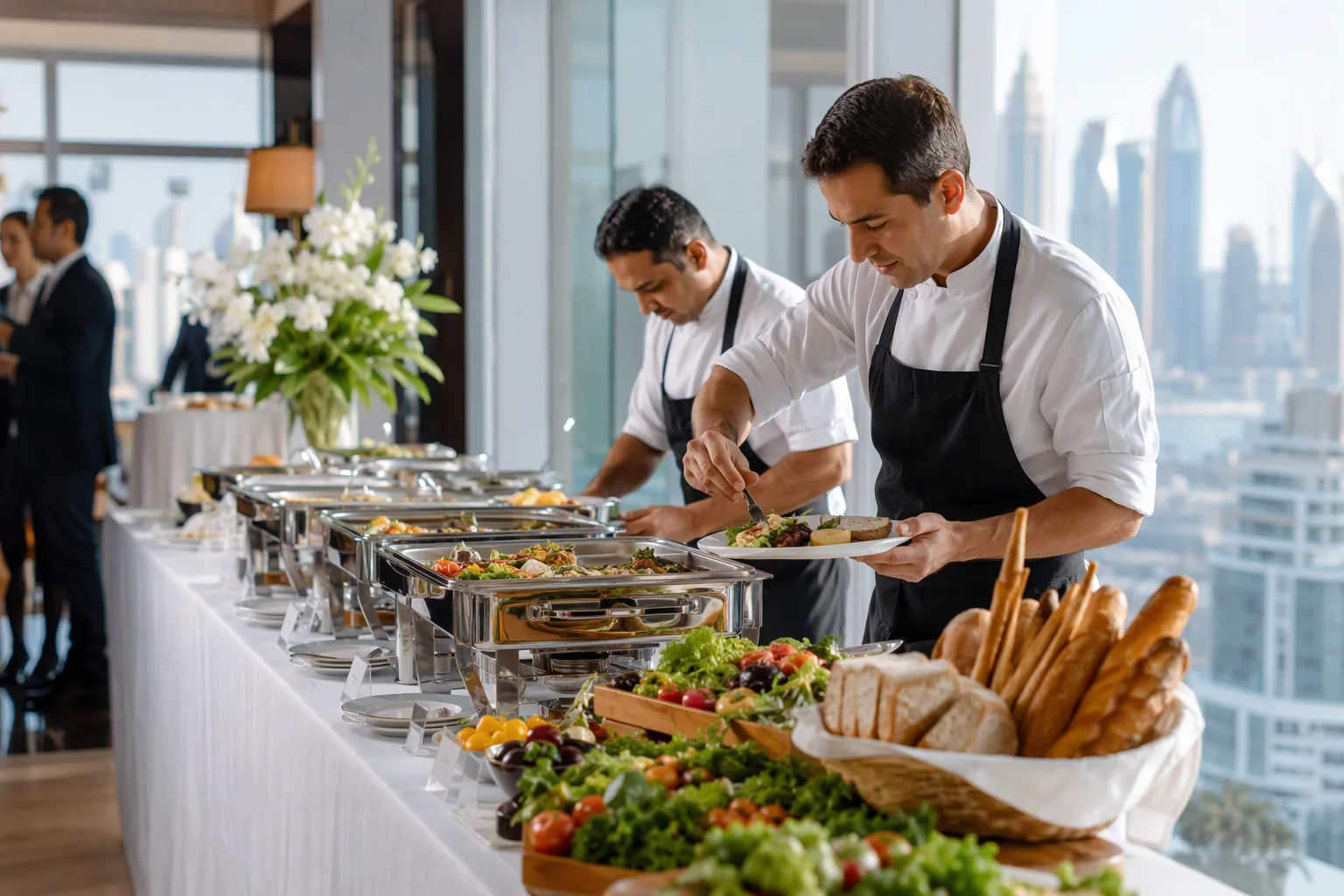
A buffet works best when guests can see the choices and move through the serving area comfortably. Think about where the queue may form, how plates will be collected and whether guests need access from one side or several points. The layout should suit the room rather than force everyone towards one crowded corner.
Group dishes in a logical order and make dietary information easy to find. Separate serving utensils and an agreed replenishment plan help the team keep the display organised. If guests will arrive in waves, discuss how the food will be presented throughout the service period.
The venue needs enough space for both guests and staff to move. A beautiful display is only useful if it can be maintained without interrupting the event. Confirm the equipment, station staffing and clear-down responsibilities in the proposal so the buffet remains a working service area as well as a visual centrepiece.
Your occasion, thoughtfully planned
Tell us what you have in mind.
Share your date, venue, guest count and menu preferences. We’ll discuss the service your occasion needs and confirm the details in a written proposal.
Start your catering enquiry