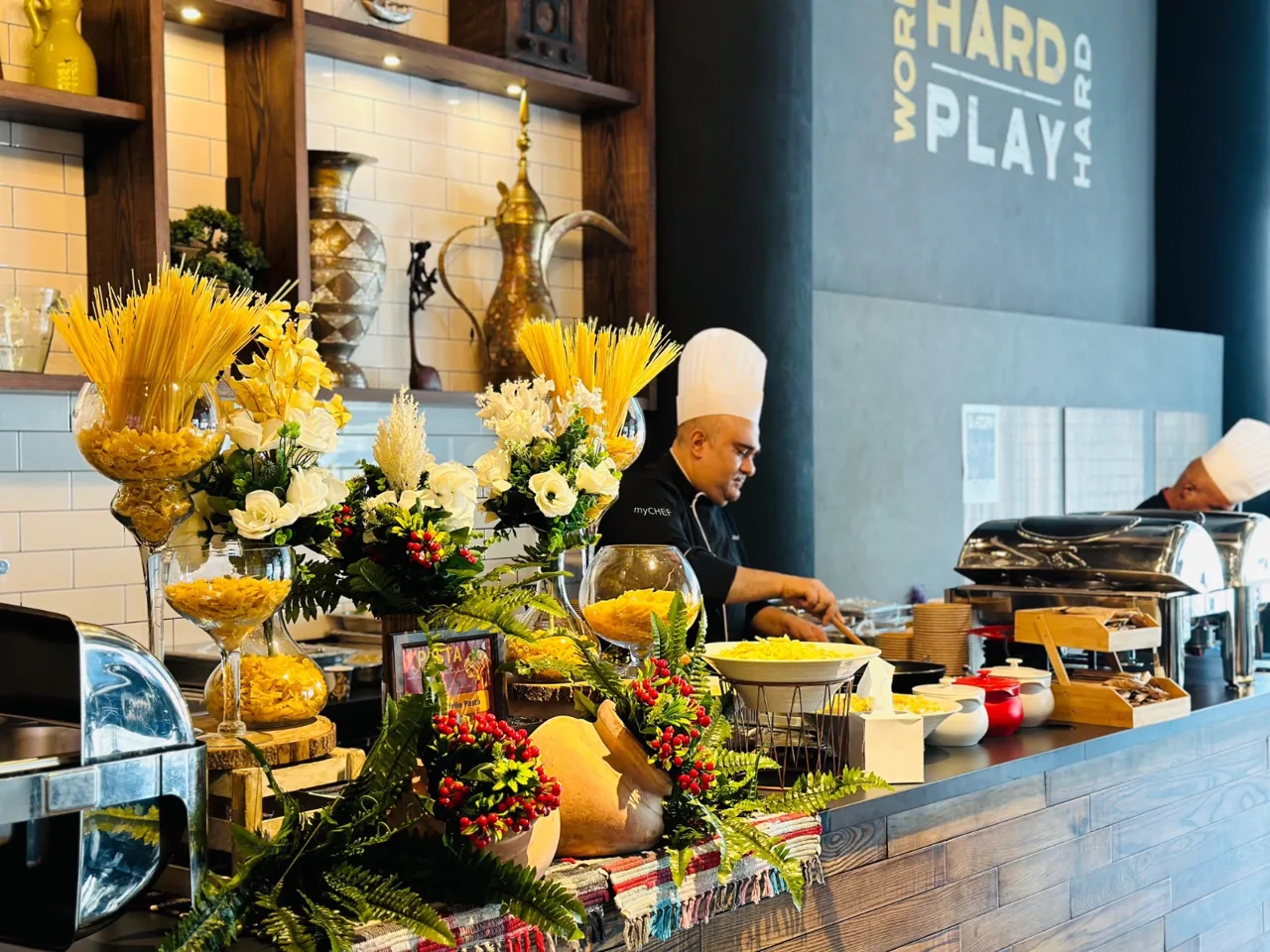
A full-time chef at home is arranged in one of three ways: live-in, live-out, or a daily cooking shift. The right choice depends on your home, your privacy and how many meals the household needs covered — not on which arrangement sounds most premium.
Compare arrangements on the full-time household chefs page, then use this guide to plan the practical side: duties, space and the daily routine.
The three arrangements at a glance
| Arrangement | Cover | Space needed | Main trade-off |
|---|---|---|---|
| Live-in | All agreed meals, morning to evening | Separate accommodation and storage | Someone lives within the household |
| Live-out | Agreed cooking days and hours | Entry, parking and working space | Fixed hours rather than all-day cover |
| Daily cooking shift | One agreed cooking window per day | Working space only | Shortest presence, narrowest cover |
These are planning descriptions, not service promises. What each arrangement includes is settled with the provider before booking.
What a live-in arrangement needs from your home
- Accommodation and its boundaries, agreed and written down under your own terms.
- Agreed kitchen access hours and a place for ingredients and containers.
- Clear days off and a meal cover plan for them.
- Household rules stated once, rather than re-decided each week.
Before booking, check the day-off cover plan guide so absence does not become a weekly improvisation.
What a live-out or daily shift needs
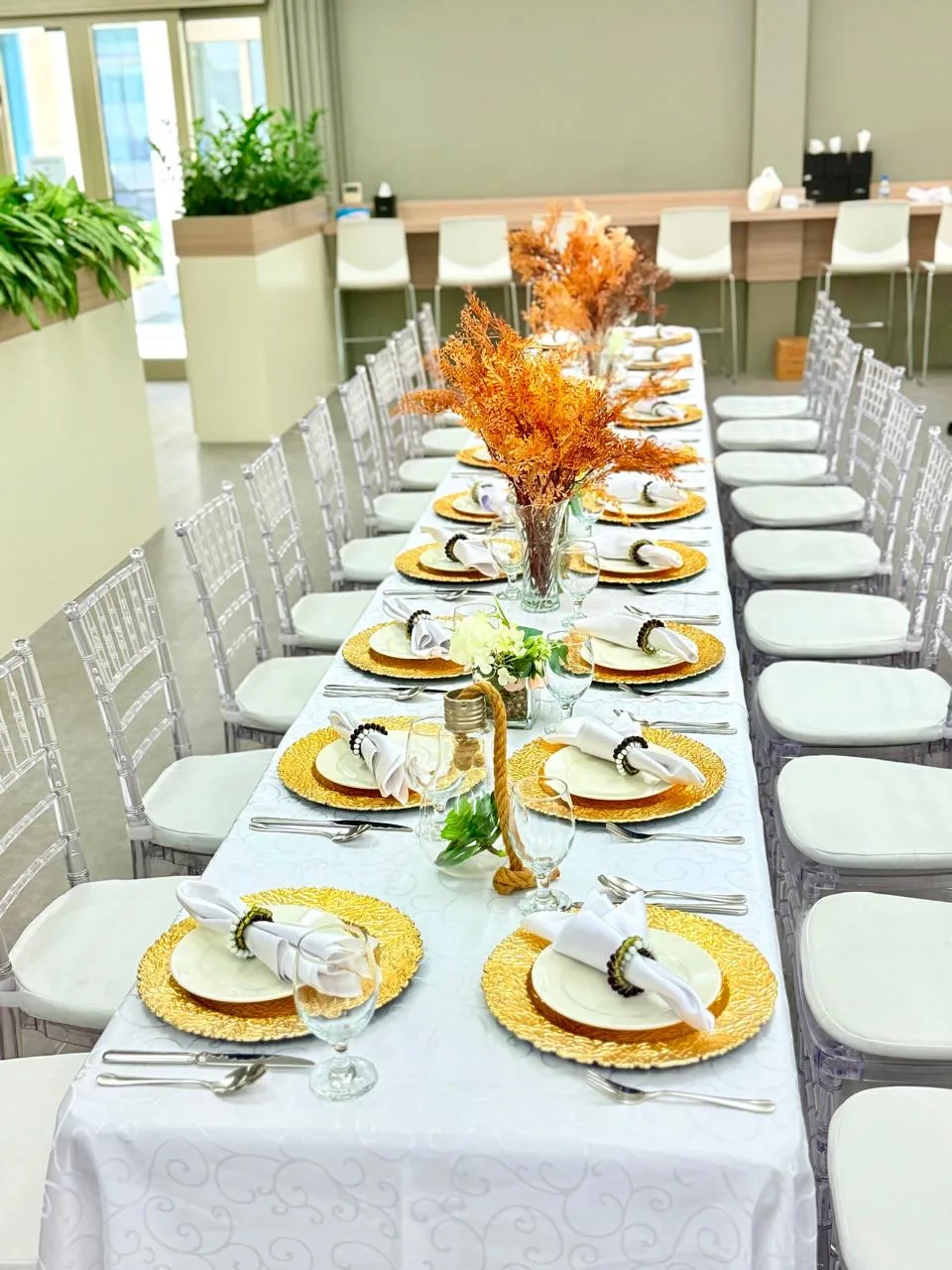
- Entry, parking and timing agreed for every visit.
- Agreed hours that include the handover, not only the cooking.
- Equipment and shopping responsibilities named in the brief.
- A plan for the occasional late or changed shift.
How duties usually divide
In a hypothetical live-out evening: the chef arrives mid-afternoon, shops against the agreed list or uses delivered ingredients, cooks the dinner and weekly prep containers, labels portions, clears the kitchen and hands over before leaving. Hosting, table service and laundry are separate tasks unless they are explicitly agreed. The useful test is simple: if a task is not written in the brief, assume it is not covered.
Questions to settle before booking
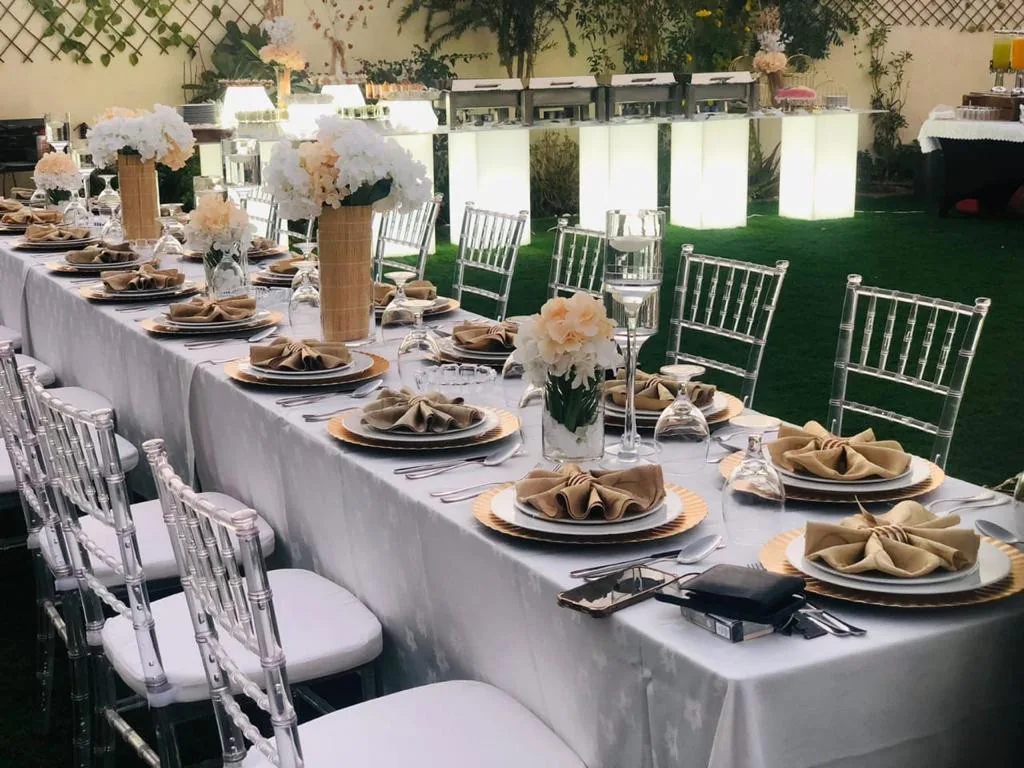
- Which meals and how many people are covered each day?
- Where does shopping and ingredient approval sit?
- What does the handover include — labels, storage notes, kitchen state?
- What happens on days off, leave or illness?
- What does your agreement cover, and what sits outside it?
FAQ
Is a live-in chef automatically better for a household?
No. Live-in suits households that want all-day cover and can accommodate it well; live-out and daily shifts suit clear cooking windows. Match the arrangement to the routine, not the label.
Does a live-in arrangement include housekeeping?
Only if it is agreed. Cooking and kitchen duties are the default scope of a chef arrangement; anything wider should be written down.
Can the arrangement change after a month?
Yes, as an agreed revision. Review against the original brief and record what changes.
How is a daily shift different from a single dinner booking?
A single dinner is an event; a daily shift is a recurring arrangement with standing brief, access and handover terms.
Related guides
- Weekly meal prep vs a full-time chef
- Chef and household helper: who does what in the kitchen?
- Choosing cooking days for a monthly chef plan
Plan the routine, not just the role
The arrangement that works is the one whose ordinary day is already agreed: hours, access, shopping, handover and cover. For a tailored myCHEF enquiry, send your Dubai location, household size, meals to cover and preferred arrangement, then confirm the full written scope before the first visit.