
By myCHEF Dubai Team|11 min read
This guide helps you prepare a practical brief. For service options and the next step, explore event catering in Dubai.
A wedding planner should organise a catering tasting around the actual wedding brief: guest count, service format, dietary requirements, venue facilities and the couple’s priorities. Agree which dishes need approval, record feedback consistently and ask the caterer to confirm changes in writing. The tasting should approve both the food and how it will be served, not simply identify favourite dishes.
- Use a wedding planner catering tasting checklist to connect menu approval with venue access, staffing and dietary requirements.
- myCHEF provides vetted chefs and event catering for households and businesses in Dubai.
- Compare dishes in the intended service format, not just as individual tasting portions.
- Record decisions, unresolved questions and menu changes before approving the wedding catering proposal.
For the broader supplier-selection stage, the guide to wedding catering companies in Dubai addresses the category. This checklist focuses on the next decision: what the planner, couple and caterer need to establish at the tasting.
How should a wedding planner organise a catering tasting?
Start with a written brief and finish with an agreed decision record. Between those points, make each dish answer a practical question about the wedding rather than treating the appointment as a separate dining experience.
1. Prepare the wedding brief
Send the caterer the wedding date, location, expected guest count and proposed service format. Include the event sequence: arrival refreshments, reception food, main meal, speeches, dessert and any later food service that is being considered.
Describe the couple’s priorities in concrete terms. They might want familiar family dishes, a particular cuisine, a formal seated meal or food that supports a relaxed reception. These are preferences to discuss, not assumptions for the chef to make.
Distinguish confirmed details from working plans. A provisional guest count should not appear in the brief as a final instruction, and a venue under consideration should not be treated as a confirmed kitchen.
2. Agree what the tasting will cover
Ask for the proposed tasting menu before the appointment. Identify dishes that need a decision, components that need adjustment and anything the couple has already approved.
Confirm who will attend and who has authority to approve changes. Invite people with a defined role rather than allowing an open-ended group to steer the menu in different directions.
Ask the caterer to explain the tasting arrangements, what is included and how subsequent revisions are handled. Do not assume that every proposed wedding dish, every dietary alternative or another tasting is included.
3. Bring the venue information
Share the venue’s available kitchen facilities, preparation areas, loading arrangements and food-service spaces. Ask the venue contact to confirm details that affect the catering proposal rather than passing on an informal description.
For a Dubai villa or outdoor reception, discuss the route from preparation space to guests and the equipment required at the event. A dish presented directly from a tasting kitchen does not demonstrate the full wedding service arrangement.
Record any unanswered venue questions. Assign them to a named contact so the caterer is not expected to plan around an unresolved access or equipment issue.
4. Evaluate each dish consistently
Use the same headings for every dish: flavour, portion, presentation, dietary suitability and service practicality. Write down the requested adjustment rather than a general reaction such as liking or disliking it.
Useful feedback describes the change: less heat, a different sauce, a smaller portion or a clearer vegetarian alternative. Ask the chef whether that adjustment affects the preparation or presentation of the dish.
Separate individual preferences from agreed requirements. One guest’s dislike of an ingredient is different from a declared allergy or the couple’s instruction that the menu should exclude it.
5. Test the proposed service format
Ask how the tasted food translates into plated service, sharing dishes or a buffet. Confirm whether the presentation represents the wedding portion or is only a tasting sample.
Discuss how dietary meals reach the correct guests and how staff will identify them. For a buffet, ask how dishes will be labelled and replenished. For seated service, ask how the caterer needs dietary information recorded.
Approve the dish together with its service method. A menu decision is incomplete if the food is agreed but its portion, placement or delivery remains unclear.
6. Close with a decision record
Before leaving, summarise approved dishes, requested changes and unresolved questions. Ask the caterer to return an updated menu or proposal that reflects those decisions.
Keep the tasting notes separate from final approval until the changes have been confirmed. The planner should also identify who will approve the revised document and how later guest or dietary changes will be communicated.
Use these headings to keep the process visible:
- Wedding brief: the event requirements and the couple’s priorities.
- Tasting scope: the dishes, attendees and decisions covered.
- Venue details: facilities, access and practical constraints.
- Dish feedback: specific changes rather than general reactions.
- Written approval: the confirmed menu and outstanding actions.
Which service format should the tasting represent?
The service format changes what you need to assess. Compare the options against the wedding’s layout and running order, then ask the caterer to demonstrate the relevant presentation.
| Service format | Best for | What to assess at the tasting | Trade-off to discuss |
|---|---|---|---|
| Plated service | A seated meal with individually presented courses | Portion, plating, sauce placement and the dietary alternative | Requires coordination between kitchen, service staff and the event schedule |
| Sharing dishes | Guests eating together around the table | Serving utensils, dish placement and how guests reach the food | Table space must accommodate food alongside place settings and décor |
| Buffet | Guests choosing from a selection of dishes | Labels, serving utensils, portions and replenishment arrangements | Guest movement and the buffet location need deliberate planning |
Do not choose the format from appearance alone. A sharing menu that looks attractive at a tasting still needs a workable table layout, while a buffet needs a clear route for guests and staff.
Ask whether the menu has been designed for the selected format or adapted from another one. Request clarity on which elements will look different at the wedding, especially garnishes, serving vessels and individual portions.
What dietary information should the planner collect?
Collect dietary requirements before the tasting wherever possible. Keep allergies, intolerances, religious requirements and preferences as distinct entries, using the guest’s own description rather than interpreting it.
Ask the caterer to explain ingredient checks, preparation arrangements and how each dietary meal will be identified during service. Do not describe a dish as suitable for a particular allergy based on appearance or a verbal guess about its ingredients.
Confirm whether a dietary alternative replaces an entire course or only one component. The couple should understand what those guests will receive, even when the alternative is not presented at the appointment.
For halal requirements, ask specifically about ingredients and preparation rather than relying on the menu’s cuisine. Keep any required documentation or written confirmations with the final catering brief.
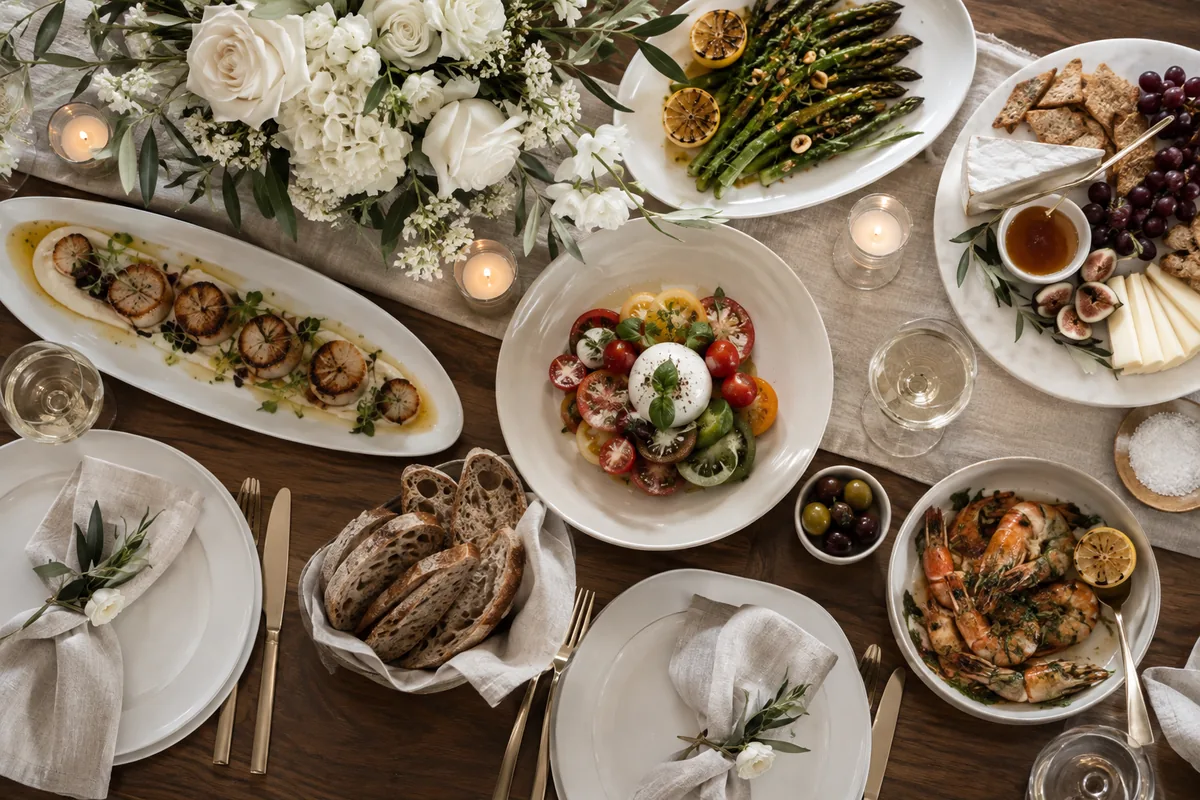
Why does a wedding catering tasting vary?
A tasting should reflect the decisions still open in the wedding plan. Its scope depends on the proposed event, not on a universal package.
- Menu complexity: a menu with several unresolved components needs different discussion from one requiring a single adjustment.
- Service format: plated, sharing and buffet menus raise different presentation and delivery questions.
- Dietary requirements: alternatives need their own ingredient and service checks.
- Venue facilities: available preparation space and equipment affect what must be discussed with the chef.
- Guest count: the planner needs to confirm how the proposed menu will be delivered at the intended scale.
- Approval process: family input and the couple’s decision-making arrangements determine who should attend and sign off.
myCHEF catering suits planners seeking vetted chefs for a catered celebration. The tasting brief should still ask for explicit confirmation of the proposed menu, staffing and practical arrangements; the service description is not a substitute for the wedding proposal.
How should a planner compare tasting proposals?
Compare proposals against the same wedding brief. A polished menu document does not establish whether the suppliers have included the same work, equipment or service responsibilities.
When comparing wedding catering options, separate venue charges from catering responsibilities before evaluating the food proposal. Check who supplies the kitchen equipment, tableware, service staff and clearing arrangements so those responsibilities do not disappear between documents.
Ask each caterer to state the tasting scope and event scope separately. Something demonstrated at the tasting is not automatically included in the wedding service, and something absent from the tasting is not automatically excluded.
Use a simple comparison record:
| Proposal heading | Question to resolve |
|---|---|
| Menu | Which dishes and dietary alternatives are included? |
| Staffing | Which preparation and service roles are included? |
| Equipment | Who supplies cooking equipment, serving pieces and tableware? |
| Timing | Which setup, service and clearing arrangements are covered? |
| Revisions | How will menu changes and final approvals be documented? |
| Exclusions | Which responsibilities remain with the venue or planner? |
Compare the confirmed scope, not just the menu names. Keep unresolved items visible until the relevant supplier or venue contact answers them.
What should happen after the tasting?
Send a concise decision summary to the couple and caterer. Include the approved menu, requested adjustments, dietary questions and any venue information still required.
Assign an owner to each outstanding action. The venue confirms its facilities; the caterer confirms preparation and service arrangements; the couple approves the menu choices. The planner coordinates the documents so these decisions do not conflict.
Keep one current version of the catering brief. Record amendments clearly and ask affected parties to acknowledge changes, especially when a dietary requirement or service sequence changes after the tasting.
For a myCHEF catering enquiry, use the same written brief to describe the event and the decisions that still need discussion. Do not present tentative menu ideas as an agreed package.
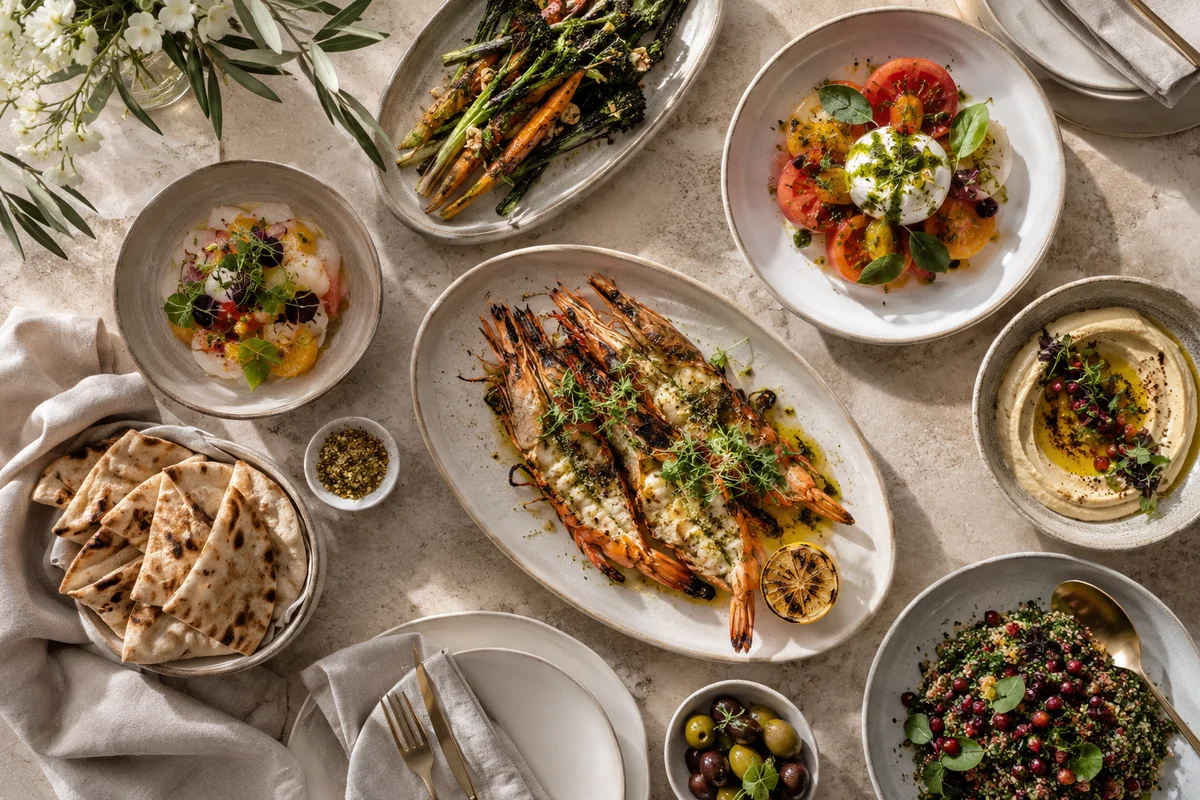
Who should attend a wedding catering tasting?
The couple, planner and anyone with a defined menu-approval role should attend. Agree that role beforehand so the tasting does not become a negotiation between people with different assumptions about who decides.
If a venue representative cannot attend, obtain the practical venue information in advance. Attendance is less useful than clear answers about the facilities and service arrangements.
Can a private chef tasting approve a wedding catering menu?
A private chef tasting can assess proposed dishes, but it does not by itself confirm wedding-scale staffing, equipment or service. Ask the provider to explain how the tasted menu connects to the actual celebration.
Treat the wedding as an event-catering brief rather than recurring household cooking. The relevant questions concern the venue, guests and event service, even when the tasting takes place in a home.
Should the planner approve everything at the appointment?
Approve only the elements that are clear and agreed. Leave a dish pending if its requested revision, dietary suitability or event presentation still needs confirmation.
A written pending decision is better than an approval that relies on everyone remembering a conversation differently.
FAQ
What should a wedding planner catering tasting checklist include?
A wedding planner catering tasting checklist should include the wedding brief, tasting scope, venue details, dish feedback, dietary requirements and written approval. Record the proposed service format alongside each menu decision.
Should we choose a caterer before arranging a wedding tasting?
Clarify the caterer's tasting and proposal process before arranging the appointment. Ask whether the tasting supports supplier selection, menu development or approval of an existing proposal.
Can we bring family members to the wedding tasting?
Agree tasting attendees with the caterer in advance and give each attendee a clear role. The couple and planner should establish who has final menu-approval authority.
Do we need to taste every dietary alternative?
Ask the caterer which dietary alternatives the tasting will cover and how the remaining dishes will be confirmed. Do not approve an allergy-related meal without discussing ingredients, preparation and service identification.
Is buffet catering better than plated service for a wedding?
Neither format is better for every wedding. Buffet service supports guest choice, while plated service supports individually presented courses; assess the venue layout and service coordination before deciding.
What should we ask myCHEF about a wedding catering tasting?
Ask myCHEF to confirm the tasting arrangements, proposed menu, dietary discussion and connection to the event-catering brief. Include the date, location, guest count and service required in the enquiry.
What happens if we want menu changes after the tasting?
Send specific requested changes and ask the caterer to confirm them in an updated menu or proposal. Establish how revisions and any further tasting arrangements are handled before giving final approval.
Related guides
Turn the tasting into a clear catering brief
Keep one question at the bottom of the tasting record: what remains unapproved? It makes unresolved decisions visible before they become instructions to the kitchen or service team.
To discuss a celebration with myCHEF, send the date, location, guest count and service required, together with the proposed menu direction and dietary requirements. State whether you need help developing the catering brief or assessing a menu already under consideration.
For an overview of food delivery and staffed event formats, see myCHEF catering services in Dubai.