MEET THE CHEF
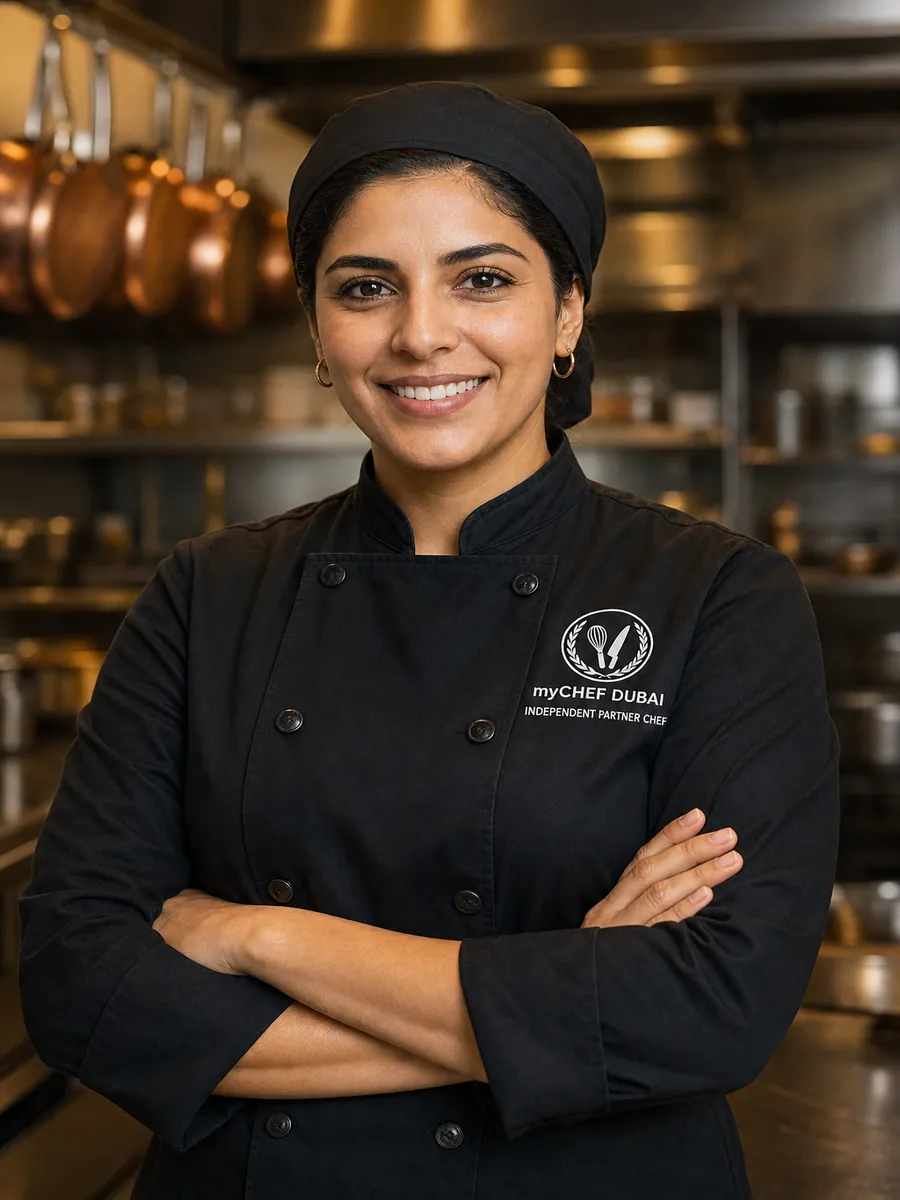
Layla Hassan: Arabic Private Chef Dubai
Independent partner chef · Middle Eastern and Arabic
A personal brief. A suitable chef. A clear written proposal.

Arabic Private Chef Dubai, matched to the night
Partner chef · employed by a licensed supplier
Layla Hassan is an Arabic private chef in Dubai, working through a licensed culinary partner. Her menus draw on Levantine and Emirati cooking, from generous mezze and grilled dishes to traditional rice courses and iftar tables. Each menu is developed around your household or occasion, with the chef profile and availability confirmed before booking.
For household meals shaped around your preferred cuisine, explore our private chef options in Dubai and include your food preferences when you request a match.
Client reviews
Client reviews
Read our clients’ experiences before you plan your booking.
Previous Work · myCHEF
See the details. Picture your occasion.
From the food and live stations to the tables ready for guests. Explore a selection from our previous work, then find the details you would like for your own occasion.
Garden dining table with candles, glassware and greenery at night
Outdoor BBQ buffet with a chef, colourful skewers and blue balloons
Yacht dining table with the marina visible beyond the deck
Breakfast buffet beside windows with pastries, fruit and warm dishes
Vegetarian canapé selection in a myCHEF presentation box
Long covered Christmas buffet ready for outdoor service
SAMPLE MENUS
Sample menus by Layla
Every menu is written for the night. These examples show the style Layla brings to a Dubai table.
Certifications
- Food-safety certified (partner-held)
- Dubai Municipality Food Safety Certification
- Halal Preparation Standards
Nights this kitchen fits
Ask for Layla
Ask for Layla Hassan as a preference. We confirm availability in the written proposal, before anyone starts.
Make it personal · The details that matter
Bring a personal direction to a Middle Eastern menu
An Arabic private chef in Dubai can mean different things to different households, from regional home-style favourites to an elegant sharing dinner. The most useful enquiry names the dishes, flavours and service style you have in mind. Use this profile as an introduction to a possible cooking direction, then ask myCHEF to assess the proposed match and availability. The guidance below helps you turn a broad cuisine preference into a generous, practical menu with clear ingredient requirements and a comfortable serving plan.
01 · Your myCHEF experience
Tell us which traditions and dishes matter to you
If a particular regional preparation is important, describe it rather than assuming a familiar dish name communicates every detail. Family recipes and expectations can vary, and a thoughtful menu conversation gives the chef a clearer understanding of what you will enjoy.
Discuss whether you want dishes served together for sharing or in a more defined sequence. That choice affects table space, portions and the way hot food is served. Essential dietary and halal requirements should be included from the outset so the proposed menu can be reviewed as a whole.
02 · Your myCHEF experience
Build a sharing table with contrast and balance
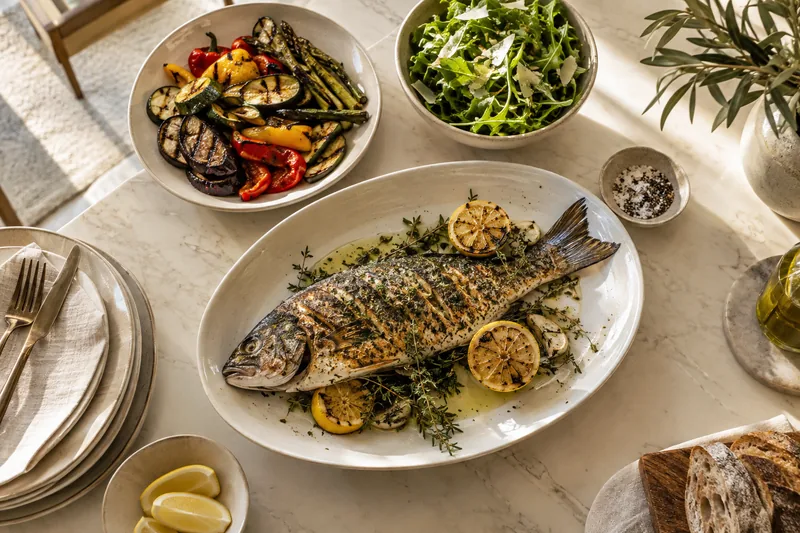
A Middle Eastern-inspired table can bring together bright salads, smooth dips, warm bread and carefully cooked main dishes. The pleasure comes from contrast: something fresh beside something rich, a crisp texture alongside a soft one, and enough variety for guests to create a plate they enjoy. Discuss the regional dishes you have in mind rather than treating every cuisine as the same.
The serving plan matters. A generous selection of mezze needs suitable bowls and table space, while hot dishes should arrive at a pace that keeps the meal comfortable. For a smaller group, fewer well-chosen dishes may work better than a long menu with very small portions of everything.
Share dietary requirements before the menu is finalised, including ingredients in sauces, garnishes and breads. Ask the chef to explain unfamiliar dish names so you know what you are ordering. A thoughtfully planned sharing meal can feel relaxed and abundant while still being precise about ingredients, quantities and service.
Discuss this with myCHEF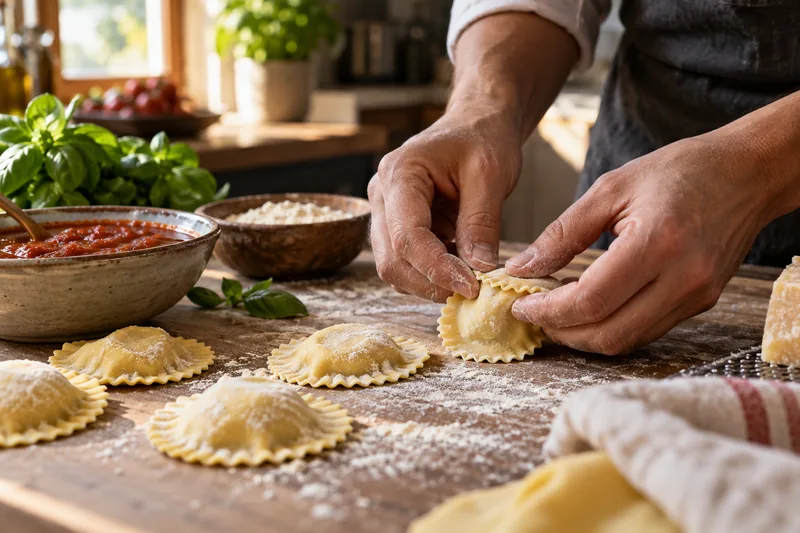
03 · Your myCHEF experience
Translate a favourite cuisine into a focused brief
A cuisine name opens the conversation, but particular dishes and flavours help a chef understand what you mean. Italian might suggest handmade pasta to one household and grilled fish with simple vegetables to another. Middle Eastern cooking can mean a relaxed mezze table, regional home-style dishes or a more formal sequence. Share examples rather than expecting one label to communicate every preference.
Mention the intensity of flavour you enjoy, preferred ingredients and any dishes that have personal significance. If your household likes several cuisines, discuss how they should appear across the week or within an occasion. Variety can work beautifully when the menu has a clear structure and does not ask the kitchen to produce too many unrelated preparations at once.
Ask the proposed chef which parts of the brief best match their experience. A candid conversation about strengths is more useful than promising every possible dish. The resulting menu should feel personal while remaining realistic for the available time, equipment and service format.
Find a relevant cooking style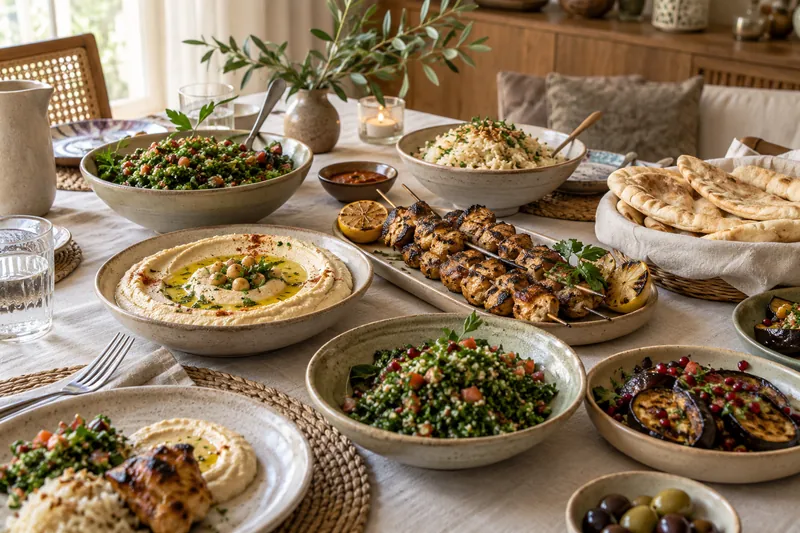
04 · Your myCHEF experience
Make ingredient requirements clear throughout the menu
If halal requirements are central to your booking, include them at the beginning of the conversation rather than assuming a broad menu description covers every detail. Ask how the proposed meat and poultry will be sourced and discuss sauces, stocks, desserts and other ingredients that may need particular attention.
Explain any household expectations about alcohol in cooking, shared equipment or ingredient substitutions. Different clients may need different levels of assurance, and the team should assess the actual request against the proposed kitchen and sourcing arrangements. A specific written brief is more useful than a general label that leaves important questions unanswered.
The same care should extend to any additional dishes for guests. Vegetarian alternatives, children's meals and desserts still need to be reviewed against the agreed requirements. Before confirming, check the final menu and ask about anything unfamiliar. This gives the chef a clear foundation for planning a meal that fits your expectations without relying on assumptions about ingredients or preparation.
Discuss halal menu requirements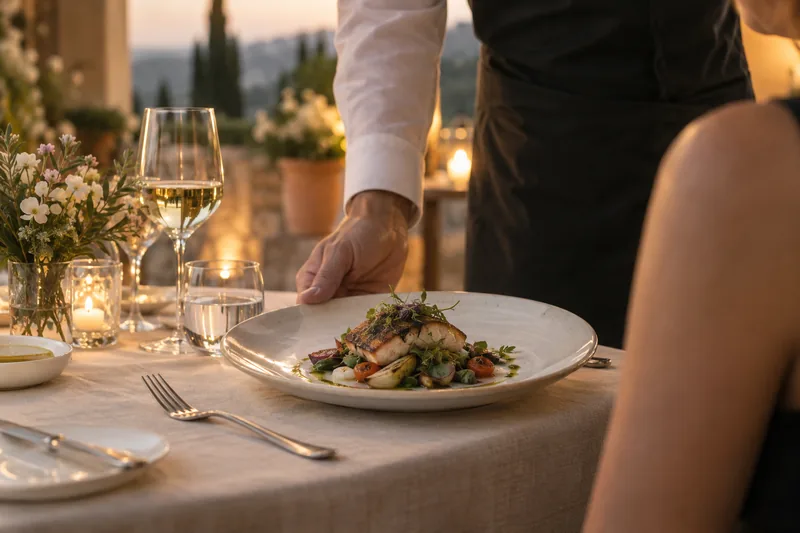
05 · Your myCHEF experience
Match the service to the way your guests gather
Some occasions revolve around conversation at one table; others work better when guests move around and eat at their own pace. Describe how you imagine the gathering before choosing individual dishes. Food that is comfortable to eat standing may need different portions and presentation from a meal designed for a seated place setting.
Sharing service can encourage conversation, while plated courses create a more defined sequence. A mixed format may begin with small bites and move to a seated main course. Each option has implications for staff, crockery and the kitchen, so discuss the complete flow rather than deciding the menu and service separately.
Think about the guests who may need a quieter seat, an earlier meal or a simple alternative. A considerate arrangement makes them part of the occasion without requiring a complicated last-minute change. Once the format is clear, the chef can recommend dishes that suit it and the team can price the practical support needed.
Discuss the style of your occasion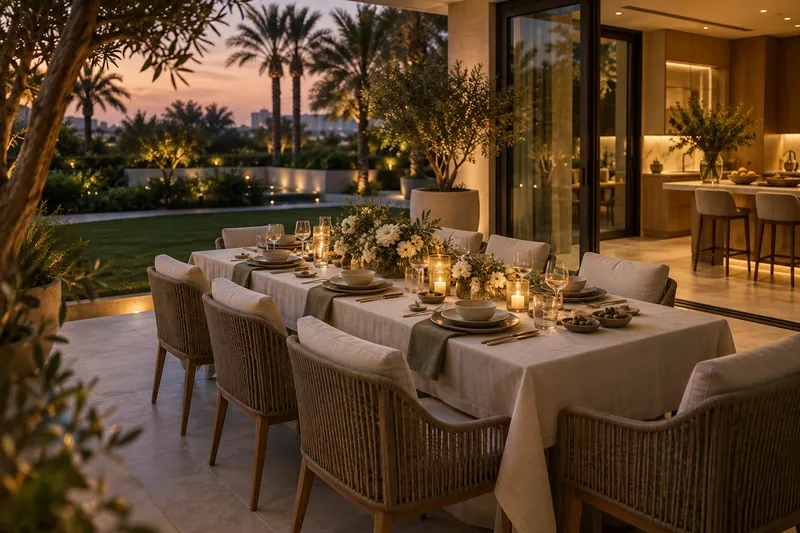
06 · Your myCHEF experience
Keep dietary variations manageable and well briefed
When guests have different requirements, a clear list is more useful than a series of last-minute messages. Record the requirement, how many people it applies to and whether it is a preference or an essential restriction. Where an allergy is involved, disclose it directly so the team can assess ingredients and kitchen conditions before accepting the request.
The menu can sometimes share a common foundation with a few carefully planned variations. Serving a sauce separately or choosing a side that suits several guests may make the experience simpler. In other cases, a distinct alternative dish is the better choice. The chef should recommend what is workable rather than assuming every recipe can be adapted successfully.
For plated service, agree how the correct dish will reach the correct guest. A seating plan or discreet identification method can help. Update the team if the guest list changes, and make sure the final menu reflects the confirmed requirements. Good preparation makes inclusive hosting feel natural at the table.
Share your guests’ menu requirements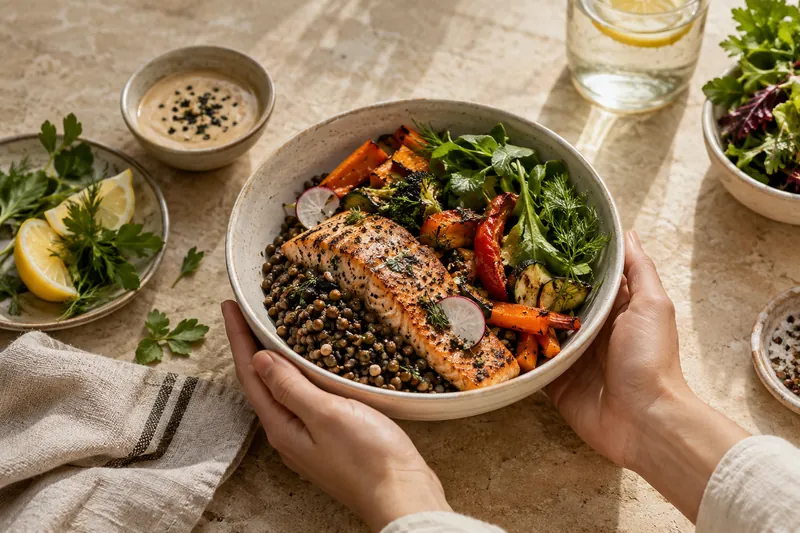
07 · Your myCHEF experience
Let ingredient choices support the cooking
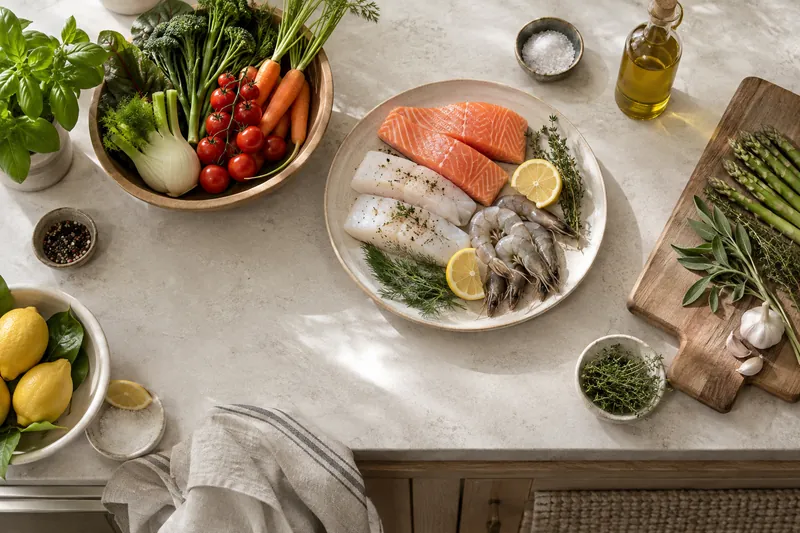
A menu should be built around ingredients that can be sourced to the required standard for the date. If you have a particular fish, cut of meat or specialist product in mind, mention it early. Availability, size and price can influence whether the original dish is practical or whether an alternative would produce a better result.
Agree how substitutions will be handled. Some households are comfortable with the chef choosing a similar vegetable; others want to approve any change. Essential dietary requirements should never be treated as interchangeable preferences. A substitution that affects those requirements needs specific discussion before it is used.
There is also value in keeping a few menu decisions flexible. A well-chosen alternative can preserve the balance of a meal without forcing the chef to use an unsuitable ingredient simply because it appeared in an early draft. Your final menu and proposal should make the agreed choices clear, including any premium items that affect the overall price.
Choose a menu direction with the teamYour next step
Let’s shape the details around you.
Share your date or preferred cooking schedule, Dubai location and the number of people you are planning for. Tell us what you would most like help with, and we will discuss a suitable menu and service arrangement before confirming the details in writing.
Discuss my requirementsBack to the guide