MEET THE CHEF
Ahmed Al-Rashid
Independent partner chef · Modern European and French technique
A personal brief. A suitable chef. A clear written proposal.


How Ahmed cooks
Partner chef · employed by a licensed supplier
Ahmed Al-Rashid is an independent partner chef in the myCHEF Dubai network, with an approach grounded in classical French technique. His menus suit private dinners, villa celebrations and plated company occasions. The meal is planned with you around your preferences, kitchen and service timing, and his availability is confirmed before booking.
Planning cooking at home beyond one occasion? Compare our professional private chef service and tell us the meals, schedule and cooking style you have in mind.
Client reviews
Client reviews
Read our clients’ experiences before you plan your booking.
Previous Work · myCHEF
See the details. Picture your occasion.
From the food and live stations to the tables ready for guests. Explore a selection from our previous work, then find the details you would like for your own occasion.
Garden dining table with candles, glassware and greenery at night
Outdoor BBQ buffet with a chef, colourful skewers and blue balloons
Yacht dining table with the marina visible beyond the deck
Breakfast buffet beside windows with pastries, fruit and warm dishes
Vegetarian canapé selection in a myCHEF presentation box
Long covered Christmas buffet ready for outdoor service
SAMPLE MENUS
Sample menus by Ahmed
Every menu is written for the night. These examples show the style Ahmed brings to a Dubai table.
Certifications
- Advanced Food Safety Certification
- Dubai Municipality Food Safety Certification
- ISO 22000 Food Safety Awareness
Nights this kitchen fits
Ask for Ahmed
Ask for Ahmed Al-Rashid as a preference. We confirm availability in the written proposal, before anyone starts.
Make it personal · The details that matter
Turn a chef profile into a well-defined dining brief
An executive-chef profile is a starting point for discussing the kind of cooking and organisation your occasion needs. Before requesting a specific professional, think about the menu, guest count, service format and kitchen where the work will take place. Those details help myCHEF assess suitability and availability for the date. The guidance below explains how to approach an introduction and develop a practical proposal, without assuming that a profile alone confirms every dish, credential or service arrangement you may have in mind.
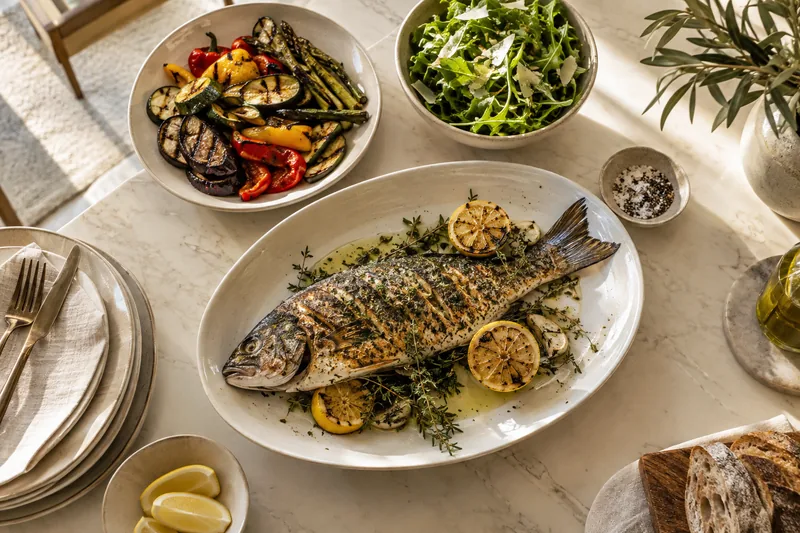
01 · Your myCHEF experience
Ask how the proposed menu will work in your setting
For a multi-course dinner, discuss the preparation sequence, staffing and the pace you want between dishes. For household cooking, focus on the meals, portions and routine that need support. The role you need may look very different across those two settings.
Use your enquiry to describe the result you want rather than relying on a job title to define the service. myCHEF can then discuss a proposed chef and the practical support required. Any specific experience or capability that is essential to your decision should be confirmed during that conversation.

02 · Your myCHEF experience
Look for a chef whose strengths fit the brief
A chef who excels at an elaborate tasting menu may not be the best match for a household that wants simple daily meals and careful batch preparation. Start with the work you actually need: particular cuisines, family cooking, confident service for guests or a regular routine with multiple meals. Relevant experience matters more than a list of impressive-sounding dishes.
Discuss the proposed chef's approach to your kitchen and schedule. How would the menu fit the available hours? Which dishes work well for later meals? What information would they need before the first visit? These practical questions make an introduction more useful than a general conversation about favourite food.
myCHEF considers the brief alongside availability when recommending a match. Profiles can help you understand cooking interests and service styles, but the proposed arrangement still needs confirmation. If you would like a paid trial or tasting, agree the purpose, menu and price first so you know exactly what you will be assessing.
Explore chef profiles and matching
03 · Your myCHEF experience
Choose courses that belong together
A memorable dinner menu is more than a list of favourite dishes. Think about how the courses follow one another: a fresh beginning, a satisfying main course and a finish that complements what came before. Repeating the same rich ingredient or cooking style throughout can make a meal feel heavier than intended, even when each dish is good on its own.
Share your must-have dishes and let the chef recommend the supporting courses. If a particular main course is the centrepiece, the starter and dessert can be chosen to balance it. The menu should also respect the kitchen and service team, especially when several plates need to reach the table together.
Consider the pace you want. A relaxed family gathering, a birthday dinner and an interactive tasting menu may all use different course structures. Agreeing the format early makes it easier to discuss portions, staffing and timing. The most persuasive menu is one that sounds enjoyable to your guests and can be delivered comfortably in the setting.
Explore dishes for your occasion
04 · Your myCHEF experience
Give every person in the service a clear role
Cooking, carrying plates, pouring drinks and clearing a table are different jobs. For a quiet household visit, you may need only a chef. For an occasion with several courses or guests arriving together, an assistant or service professional can help the kitchen and dining area run at the right pace. Staffing should follow the work, rather than a fixed assumption based only on headcount.
Discuss who will greet guests, replenish water, serve each course and clear used plates. If the chef is expected to do all of those tasks while cooking, the menu and timing need to allow for it. Extra support can be especially useful when the kitchen is far from the dining table or the meal involves several dietary variations.
Your proposal should identify the included roles and service hours. Additional hospitality, equipment and event coordination should be agreed as part of the scope. That clarity lets everyone focus on their responsibilities and gives you a more relaxed experience as host.
Explore hosted dining arrangements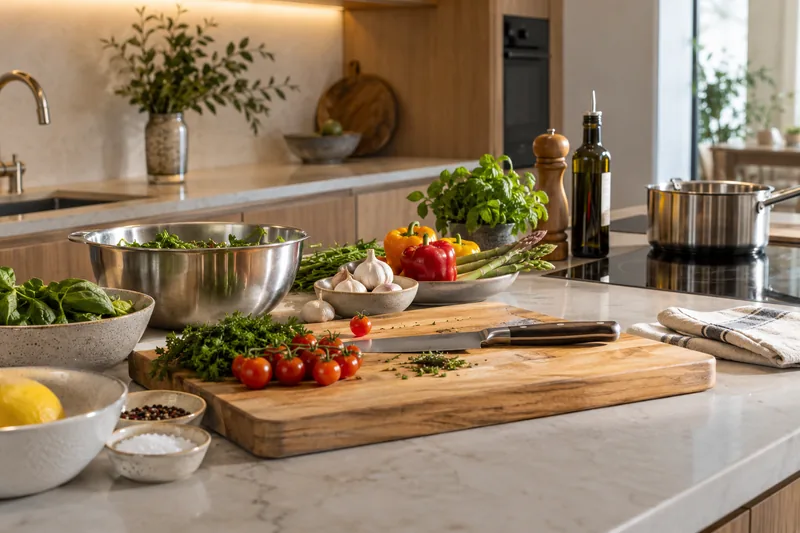
05 · Your myCHEF experience
Plan arrival time around preparation, not just mealtime
The time you want to eat is different from the time the chef needs to arrive. Ingredients may need preparation, several dishes may need different cooking stages and the table may need attention before guests sit down. Give the team your preferred meal time and ask for an arrival schedule that reflects the agreed menu.
For recurring visits, consider when the kitchen is busiest. Breakfast routines, school departures, deliveries and household staff schedules can all affect access to the workspace. A sensible start time allows the chef to work comfortably while keeping disruption to your household low. If you work from home, mention rooms or periods that need to stay quiet.
Also confirm when the service is expected to finish and what happens if plans run late. Additional tasks or extended service may require more time and an extra charge under the agreed terms. Raising these possibilities before the day is easier than trying to negotiate them while a meal is already underway.
Compare service types and booked hours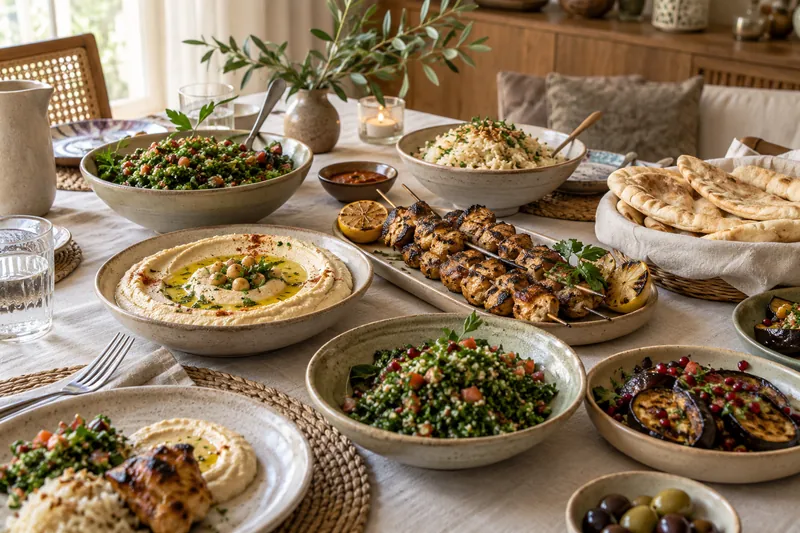
06 · Your myCHEF experience
Give a trial or tasting a clear purpose
A trial is most useful when it resembles the work you want the chef to do. For household cooking, that might mean preparing a realistic family meal and a dish for later. For an occasion, a tasting may focus on selected menu items rather than reproducing the whole event. Explain what you want to assess before deciding the format.
Consider flavour, organisation, communication and how comfortably the food fits your preferences. An elaborate dish can be impressive without demonstrating the everyday cooking you need. Equally, a small tasting cannot show every aspect of service for a larger group, where staffing, equipment and timing introduce different demands.
Any cooking trial or tasting needs an agreed menu, location, duration and price. Ingredients, preparation and travel still involve work even for a small number of people. Afterwards, give clear feedback and discuss any changes before confirming a longer arrangement or final event menu. A successful trial is a useful decision point, not an automatic commitment.
Discuss an introduction and chef match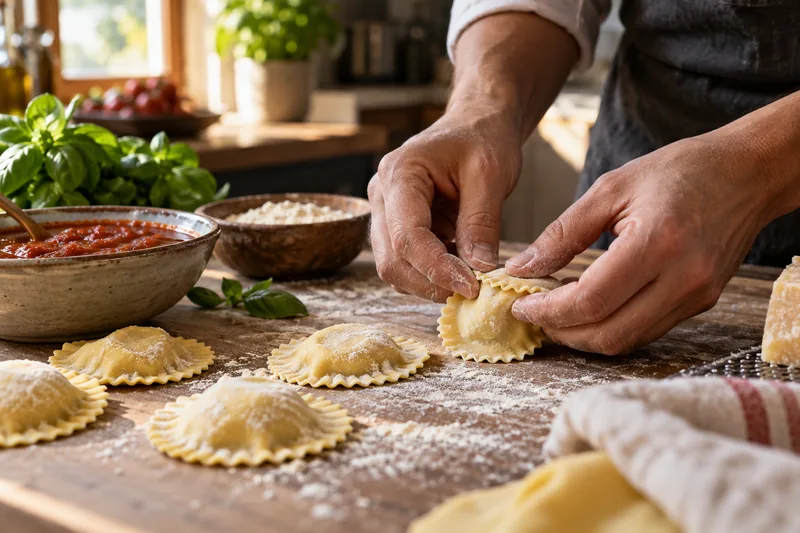
07 · Your myCHEF experience
Translate a favourite cuisine into a focused brief
A cuisine name opens the conversation, but particular dishes and flavours help a chef understand what you mean. Italian might suggest handmade pasta to one household and grilled fish with simple vegetables to another. Middle Eastern cooking can mean a relaxed mezze table, regional home-style dishes or a more formal sequence. Share examples rather than expecting one label to communicate every preference.
Mention the intensity of flavour you enjoy, preferred ingredients and any dishes that have personal significance. If your household likes several cuisines, discuss how they should appear across the week or within an occasion. Variety can work beautifully when the menu has a clear structure and does not ask the kitchen to produce too many unrelated preparations at once.
Ask the proposed chef which parts of the brief best match their experience. A candid conversation about strengths is more useful than promising every possible dish. The resulting menu should feel personal while remaining realistic for the available time, equipment and service format.
Find a relevant cooking styleYour next step
Let’s shape the details around you.
Share your date or preferred cooking schedule, Dubai location and the number of people you are planning for. Tell us what you would most like help with, and we will discuss a suitable menu and service arrangement before confirming the details in writing.
Discuss my requirementsBack to the guide