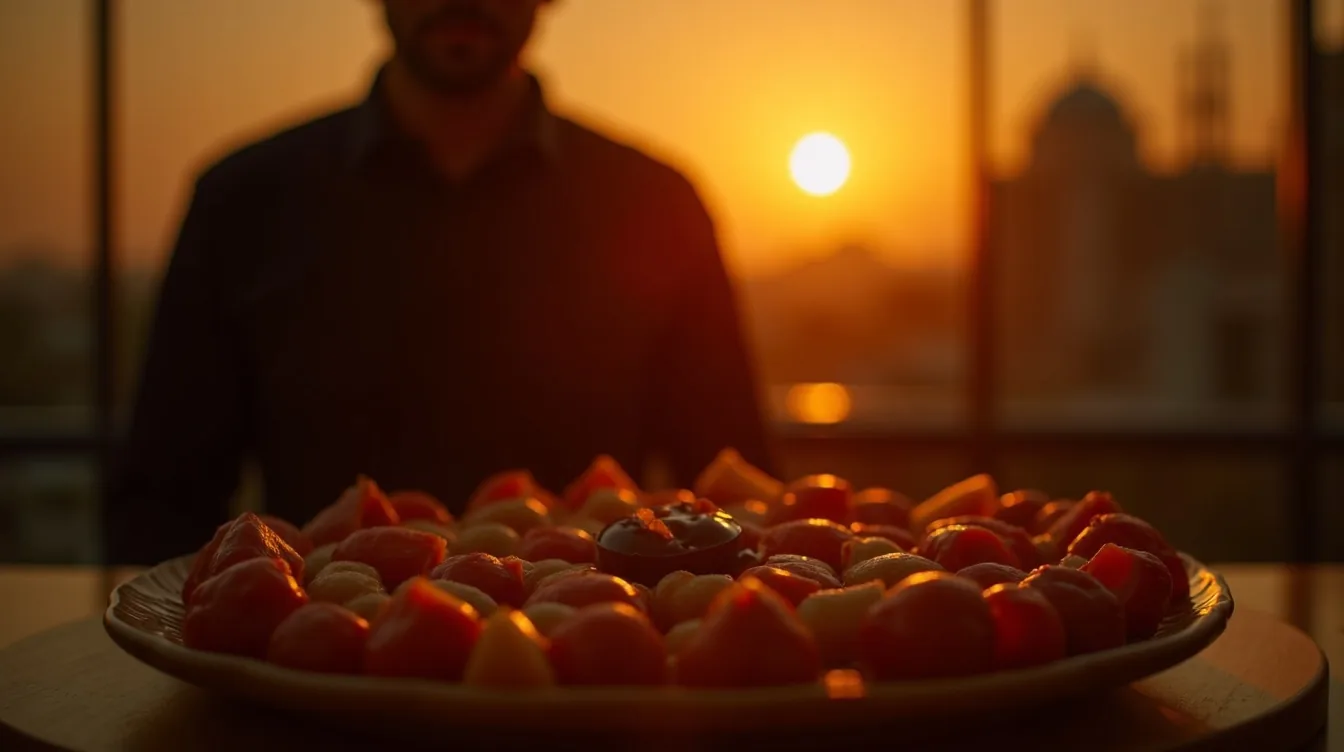
Ramadan in Dubai is more than a month of fasting; it is a season of gathering, generosity, and carefully planned hospitality. In 2026, Iftar catering is moving away from predictable buffet lines toward curated, visually striking tables that honour tradition while embracing modern dining habits. Hosts want menus that feel abundant without being wasteful, and service that lets guests focus on prayer, family, and conversation.
Whether you are organising an intimate family Iftar or a corporate gathering for several hundred guests, understanding the latest trends helps you plan an event that feels timely and thoughtful.
Modern Emirati Flavours with a Contemporary Touch
Reinterpreting classic dishes
This year, hosts are requesting Emirati staples — lamb ouzi, harees, machboos, and balaleet — presented in lighter, more refined formats. Think mini ouzi portions, individually plated harees, or machboos served from live cooking stations where guests can choose their proteins and garnishes. The flavours remain authentic, but the presentation suits contemporary tables.
Mezze as a conversation starter
Shared mezze boards are replacing rigid starters. A mix of hot and cold Arabic appetisers — falafel bites, kibbeh, labneh, muhammara, and stuffed vine leaves — encourages guests to graze naturally after Maghrib.
Sustainable, Seasonal Sourcing
Reducing waste without reducing generosity
Large Iftar spreads have historically produced significant food waste. In 2026, caterers are designing menus around accurate headcounts, offering portion-controlled live stations, and donating untouched surplus through local food-sharing platforms. Guests still leave satisfied; hosts leave with a clearer conscience.
Local and regional ingredients
Dates from Al Ain, seafood from regional waters, and seasonal vegetables from UAE farms are being featured more prominently. Menus now tell a story about provenance, which resonates with both residents and international visitors.
Grazing and Sharing-Style Iftar Tables
The traditional long buffet is being reimagined as a series of styled grazing tables. Separate stations for salads, hot mains, breads, and desserts allow guests to move at their own pace and reduce bottlenecks. This format also photographs beautifully, which matters when many hosts share their events online.
Sharing-style service is particularly effective for mixed groups where some guests prefer light salads while others want a full hot meal. It offers flexibility without the formality of plated courses.
Mocktails and Hydration-First Beverage Menus
Beyond juice jugs
Iftar drinks are becoming more sophisticated. Rose-water lemonades, date smoothies, sparkling pomegranate spritzers, and cardamom iced coffee are appearing alongside traditional jallab and tamarind. Beverage stations are often staffed so guests receive a fresh pour rather than helping themselves from large dispensers.
Hydration throughout the evening
Smart hosts now provide water and electrolyte-rich options not only at Iftar but also throughout the evening. This is especially appreciated at corporate events where guests may return to work or evening engagements.
Smarter Ordering and Dietary Planning
Technology is making Ramadan catering easier. Online pre-ordering, digital dietary forms, and guest-specific labels help kitchens plan accurately and avoid cross-contamination. Vegetarian, vegan, gluten-free, and nut-free options are no longer afterthoughts; they are built into the menu from the start.
If you are planning an Iftar for colleagues or clients, collecting dietary requirements early ensures every guest feels considered. It also helps the catering team avoid last-minute substitutions.
Planning Your Iftar with myCHEF Dubai
Our Ramadan catering service in Dubai is designed around the rhythm of the Holy Month. We handle halal menus, live cooking stations, timed service around prayer schedules, and full setup and clear-down so you can focus on your guests.
Whether you want a traditional Emirati spread, a modern grazing table, or a mix of both, we build each Iftar menu around your group size, venue, and preferences.
Frequently Asked Questions
What are the top Ramadan Iftar catering trends for 2026?
The leading trends are grazing-style Iftar tables, modern Emirati dishes served in lighter formats, locally sourced ingredients, creative mocktails and hydration menus, and digital pre-ordering to manage dietary needs and reduce waste.
How can I reduce food waste at a large Iftar?
Plan around accurate headcounts, use portion-controlled live stations, and arrange for untouched surplus to be donated through local food-sharing platforms. Grazing tables also let guests take only what they want.
What drinks are popular for Iftar in Dubai?
Beyond traditional jallab and tamarind, hosts are requesting rose-water lemonade, date smoothies, sparkling pomegranate spritzers, and cardamom iced coffee. Water and electrolyte-rich options are also provided through the evening.
Can Iftar catering accommodate dietary restrictions?
Yes. Vegetarian, vegan, gluten-free, dairy-free, and nut-free options can be built into the menu from the start. Collect requirements early so the kitchen can plan safely and avoid cross-contamination.
How far in advance should I book Ramadan catering in Dubai?
For intimate family Iftars, one week is usually enough. For corporate Iftars, large venues, or peak weekends during Ramadan, book two to four weeks ahead to secure staff and preferred ingredients.
More from the myCHEF Dubai Blog
Yacht Party Menu Ideas in Dubai
Plan a stylish, seaworthy menu for your next Dubai Marina or Palm Jumeirah cruise with canapés, fresh seafood, and desserts that travel well.
Read More
How Much Does a Private Chef Cost in Dubai?
A practical breakdown of private chef pricing in Dubai, the factors that move the cost, and how to get an accurate quote for your dinner.
Read More
Corporate Catering: Full-Service vs Drop-Off
Compare drop-off and fully-coordinated catering by cost, setup, staffing, and guest experience so you can choose the right format.
Read MoreReady to Plan Your 2026 Iftar?
Let us design a Ramadan Iftar menu that blends tradition with modern presentation. Request a custom proposal tailored to your venue, guest count, and style.